Embracing Japandi Wabi-Sabi with a Rice Paper Living Room Floor Lamp

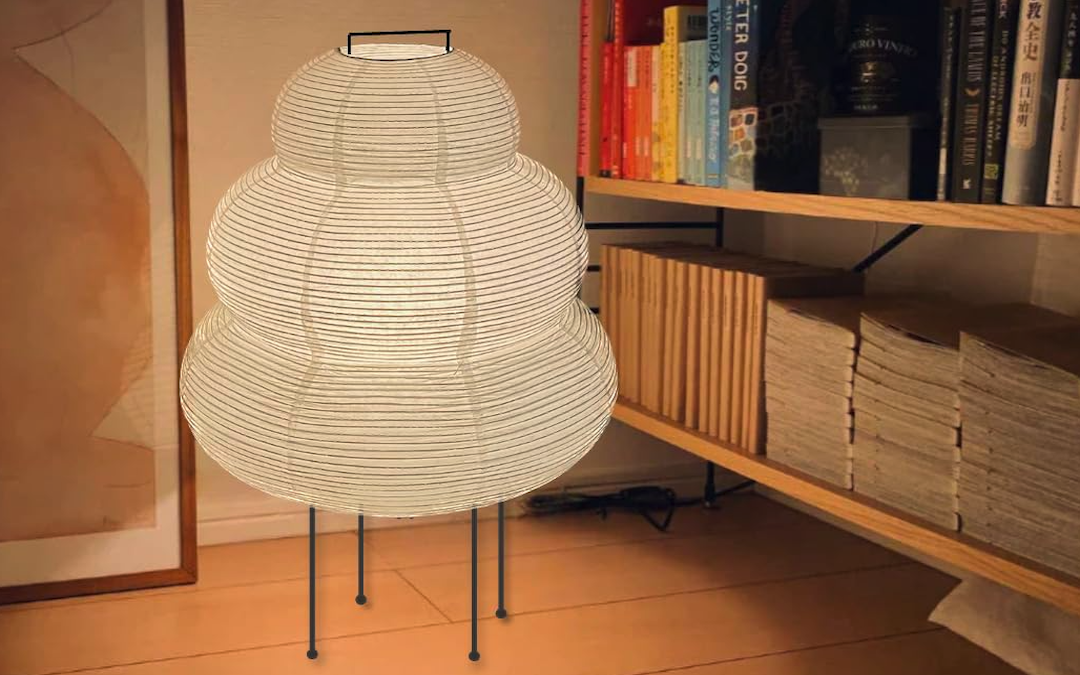
Thinking about adding a rice paper floor lamp to your living room and wondering if it really fits the whole “Japandi Wabi-Sabi” vibe? The short answer is yes, absolutely. It’s actually a pretty perfect fit. It’s not just about slapping a lamp in a corner; it’s about how the lamp itself embodies those principles, bringing a sense of organic warmth and understated beauty to your space.
The Core of Japandi: Blending the Best of Both Worlds
Japandi is that design trend that’s caught on like wildfire, and for good reason. At its heart, it’s a fusion of Japanese and Scandinavian aesthetics. Think clean lines and minimalism from the Scandinavian side, paired with natural materials, intentionality, and a deep appreciation for craftsmanship from the Japanese side. It’s about creating spaces that feel calm, functional, and deeply personal, without being overly fussy.
Understanding Wabi-Sabi: Finding Beauty in Imperfection
Wabi-sabi isn’t a style you can buy off a shelf; it’s more of an outlook, a philosophy really, that embraces imperfection. It finds beauty in things that are natural, transient, and a little bit worn. Think of a weathered piece of wood, a slightly chipped ceramic bowl, or the subtle patina that develops on something over time. It’s the opposite of sterile perfection, and it’s incredibly grounding.
Why a Rice Paper Lamp? The Illuminating Connection
Here’s where the rice paper floor lamp Lamolighting really shines (pun intended!). It directly connects with both Japandi and Wabi-Sabi in several key ways.
Materiality: The Organic Touch
- Natural Fibers: Rice paper, made from the pith of the rice straw, is inherently natural. This appeals directly to the Japandi preference for raw, unprocessed materials.
- Lightweight and Translucent: Its delicate nature and ability to diffuse light create a soft, ambient glow that’s far from harsh or artificial. This mimics the way natural light filters through shoji screens in traditional Japanese homes.
- tactile Quality: Even though you’re not touching it constantly, the visual texture of rice paper adds a tactile element to the room, inviting a sense of touch and gentle interaction.
Form and Function: Simple, Intentional Design
- Minimalist Silhouette: Most rice paper floor lamps lean into simple, often cylindrical or slightly tapered shapes. This aligns perfectly with the Japandi emphasis on uncluttered forms and a lack of excessive ornamentation.
- Task-Oriented or Ambient: While a floor lamp can provide general illumination, its softer light is also ideal for creating cozy nooks for reading or simply setting a mood. This thoughtful approach to light fits the functional aspect of Japandi.
- Understated Presence: A well-chosen rice paper lamp doesn’t demand attention; it complements the space. It’s a piece that’s there to do a job and enhance the atmosphere, not to be the sole focal point, unless you choose a particularly striking design.
The Wabi-Sabi Embrace: Imperfections as Strengths
- Subtle Variations: No two rice paper lamps are exactly alike. There are often slight variations in the texture, the way the light filters through, or even the way the paper is stretched. These are not flaws; they are welcomed characteristics that add individuality.
- Aging Gracefully: Over time, rice paper might develop a gentle patina or subtle creases. Instead of being seen as damage, this aging process can be viewed as part of its natural evolution, adding to its Wabi-Sabi charm.
- Gentle Diffusion: The light itself, being softened and diffused, feels less manufactured and more organic. It avoids the sharp, sterile edges of some other lighting types, contributing to a more serene and imperfectly beautiful ambiance.
Integrating the Lamp: More Than Just Placement
So you’ve got the idea, but how do you actually make this lamp work in your living room without it feeling out of place? It’s about considering the overall environment it’s sitting in.
The Power of Simplicity: Less is More
- Declutter Your Surroundings: To truly let the lamp’s gentle glow and natural materials shine, the area around it should be relatively free of clutter. Think uncluttered side tables, carefully chosen decorative objects, and a general sense of open space.
- Focus on Natural Materials: Pair your rice paper lamp with other natural elements. Think wooden furniture, linen or cotton upholstery, woven baskets, or even a few carefully placed plants. This reinforces the Japandi aesthetic.
- Color Palette Harmony: Stick to a muted and calming color palette. Earth tones, soft grays, off-whites, and muted greens will provide a beautiful backdrop for the lamp. The lamp’s natural color will then fit right in.
Finding the Perfect Spot: Light and Shadow Play
- Corner Companion: A common and effective placement is in a corner, providing ambient light without being directly in your line of sight. This allows it to create a warm glow without being overpowering.
- Reading Nook Enhancer: Position it beside a comfortable armchair or a small sofa, creating an inviting space for reading or relaxation. The diffused light is ideal for task lighting without being too harsh.
- Softening Geometric Lines: If your furniture has strong, geometric lines, a rounded rice paper lamp can introduce a welcome softness and visual balance to the room.
Beyond the Glow: The Deeper Meaning
Embracing a rice paper lamp within a Japandi Wabi-Sabi context is about more than just aesthetics. It’s about a conscious choice to surround yourself with items that bring peace and a sense of connection to the natural world.
Authenticity Over Trendiness
- Timeless Appeal: While Japandi is a trend, the underlying principles of Wabi-Sabi and the appreciation for natural materials are timeless. A well-chosen rice paper lamp will likely remain a beloved fixture in your home for years to come, outlasting fleeting fads.
- Personal Connection: Wabi-Sabi encourages us to find beauty in what we have, including items that might show their age or have unique characteristics. A rice paper lamp can become a piece you feel a personal connection to, not just another mass-produced item.
- Mindful Consumption: Choosing natural, sustainably sourced materials when possible aligns with a more mindful approach to decorating. This conscious decision contributes to a sense of well-being and responsibility.
Creating a Sanctuary of Calm
- The Importance of Soft Light: In our often over-stimulated world, soft, diffused light is crucial for creating a sense of calm and relaxation. The gentle glow of a rice paper lamp can transform a living room from a functional space into a true sanctuary.
- Sensory Engagement: The visual texture, the warmth of the light, and the simplicity of the design all contribute to a multi-sensory experience that promotes a feeling of peace and grounding.
- Intentional Living: By incorporating elements that encourage slowing down and appreciating the simple things, your living room can become a space that reflects a more intentional way of life, where comfort and well-being take precedence.
Considerations for Choosing Your Lamp
When you’re actually out looking for a rice paper floor lamp, keep these practical points in mind to ensure you get the best fit for your space.
Form Factors: Shape and Size
- Column Style: These are the most classic, often tall and slender, mimicking a traditional Japanese lantern. They offer broad, diffused light and work well in larger spaces or as a statement piece.
- Drum Style: Similar to column lamps but usually wider and more squat. These can be great for lower ceilings or to balance out taller furniture.
- Arcing or Curved Designs: Some modern interpretations feature curved arms, allowing the light to be directed over furniture. While still using rice paper, these can add a more contemporary edge. Always ensure the scale of the lamp complements the scale of your room and furniture. A tiny lamp in a cavernous room or a giant one in a petite space can feel off.
Light Quality: Warmth and Brightness
- Bulb Choice is Key: The type of bulb you use will significantly impact the light quality. Opt for warm white LED bulbs (around 2700K to 3000K) to achieve that soft, inviting glow. Avoid cooler, bluer tones that can feel sterile.
- Dimmer Switches: If your lamp allows for it (or if you choose one with a built-in dimmer), this is invaluable for tailoring the light to different moods and times of day. Low light for winding down, a bit brighter for reading.
- Diffusion Level: Look at how the light filters through. Some rice paper lamps offer a deeper diffusion, making the light very soft. Others might have a slightly more textured appearance where you can faintly see the bulb’s filament. This is a matter of personal preference and the specific ambiance you’re aiming for.
Durability and Maintenance: Keeping it Looking Good
- Fragile Nature: Rice paper is delicate. Handle your lamp with care during assembly and when moving it. Avoid placing it in high-traffic areas where it might be bumped.
- Cleaning: Dusting is usually done with a very soft brush or a feather duster. For more stubborn dust, a gently dampened (not wet!) microfiber cloth can sometimes be used, but always test in an inconspicuous area first. Avoid harsh chemicals or excessive moisture.
- Cord Management: Pay attention to how the cord is integrated into the design. Some lamps have aesthetically pleasing cords, while others might benefit from cord covers or clever placement behind furniture to maintain the minimalist look.
By considering these practical aspects, you can find a rice paper floor lamp that not only embodies Japandi Wabi-Sabi principles but also functions beautifully and enhances your living room’s atmosphere for years to come. It’s about bringing a piece of thoughtful, imperfect beauty into your home, one soft glow at a time.