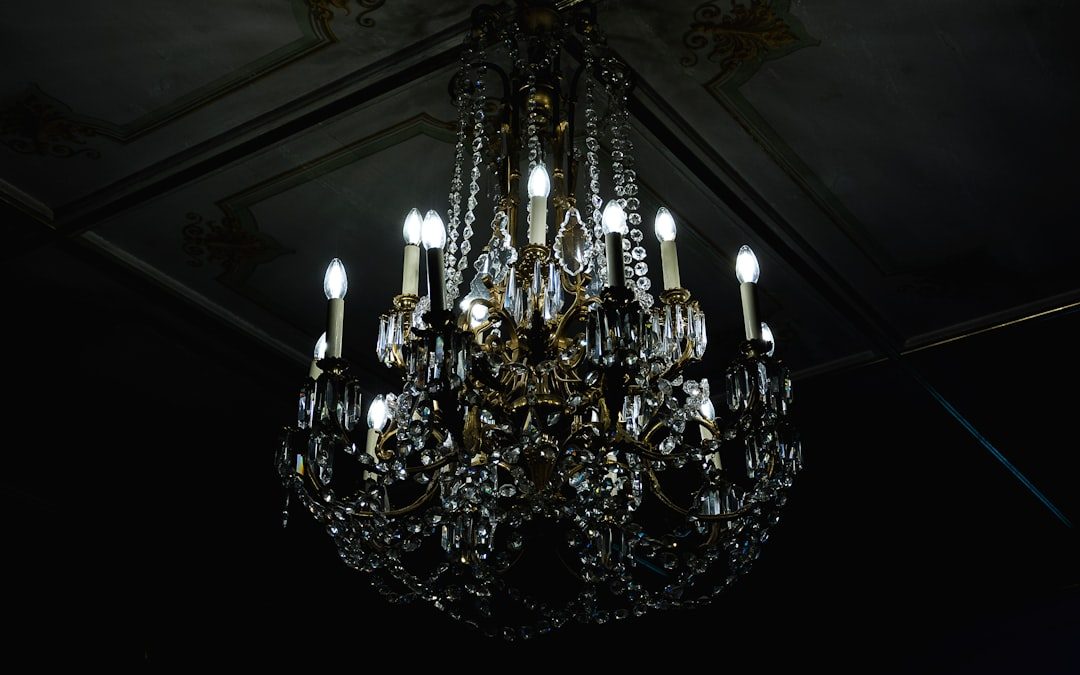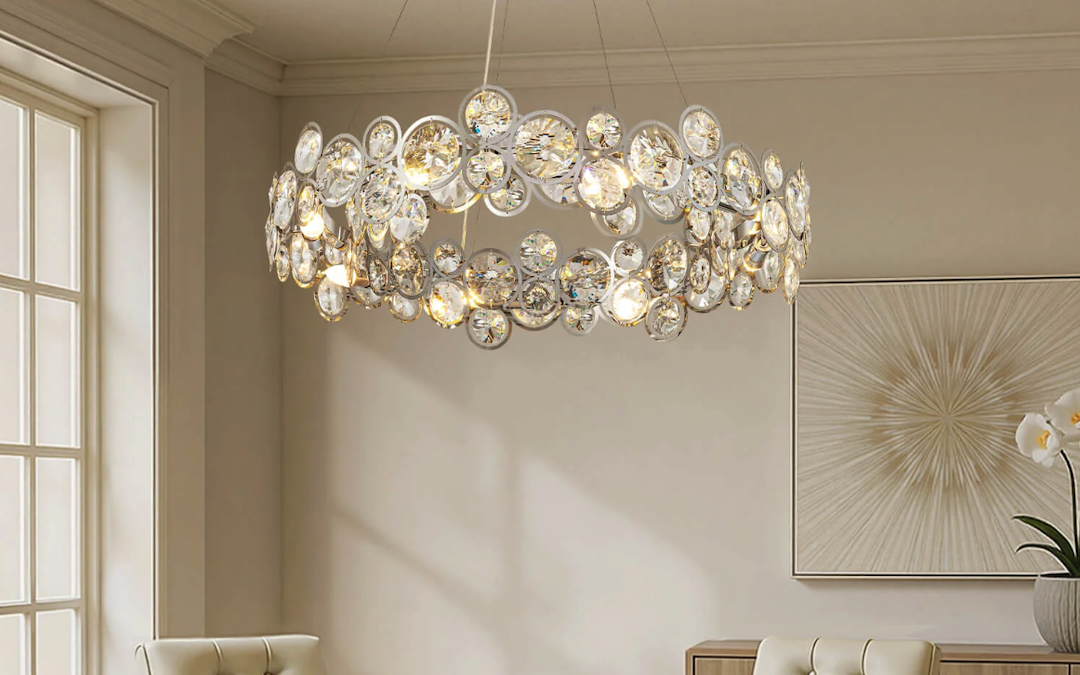
Elegant Glass Chandelier Pendant for Dining Table

Thinking about upgrading your dining table with a glass chandelier pendant? It’s a fantastic choice for adding a touch of sophistication and a focal point to your space. The good news is, it’s entirely achievable without needing a design degree or a bottomless budget. Let’s break down what makes a glass chandelier pendant a great fit for your dining table and how to pick the right one.
Glass chandelier Iolamp pendants bring a unique blend of light, sparkle, and often a sense of airiness to a dining area. Unlike solid fixtures, glass allows light to refract and reflect, creating dynamic shadows and a warm ambiance. This makes them particularly well-suited for dining, where you want to create an inviting atmosphere for meals and conversations. The material itself is versatile, ranging from clear and prismatic to colored and frosted, each offering a different visual impact.
What Exactly is a Glass Chandelier Pendant?
It’s essentially a statement light fixture that hangs above your dining table. The “chandelier” aspect refers to its often multi-tiered or intricate design, incorporating decorative glass elements. The “pendant” part means it hangs from a single point, typically suspended by a chain or rod. This combination allows for a dramatic visual presence without overwhelming the space.
Why Glass is a Popular Material for Dining Pendants
Glass offers several advantages. It’s relatively easy to clean, durable enough for everyday use, and its transparency means it doesn’t block light, making your dining space feel brighter. Critically for a dining setting, glass elements can diffuse light softly, preventing harsh glare and contributing to a more comfortable dining experience.
Choosing the Right Size and Scale for Your Dining Table
One of the most crucial aspects of selecting a pendant is ensuring it complements the size of your dining table. A pendant that’s too large can overpower the room, while one that’s too small might look lost or insignificant.
Measuring Your Dining Table
Before you even start browsing, grab your tape measure. The general rule of thumb is to aim for a pendant that’s roughly one-third the width of your dining table. For example, if your table is 60 inches wide, a pendant around 20 inches in diameter would be a good starting point.
Diameter vs. Drop
It’s important to consider both the diameter of the pendant and its drop length. The height at which the pendant hangs is just as important as its width. A good starting point for the bottom of the pendant is to be about 30 to 36 inches above the tabletop. This ensures enough clearance for people to move around without bumping their heads, while still being close enough to effectively illuminate the table.
Table Shape and Pendant Shape Alignment
Consider the shape of your dining table. While not a strict rule, some find that certain pendant shapes enhance specific table shapes.
Round Tables and Circular Pendants
A round glass chandelier pendant often pairs beautifully with a round dining table. The repetition of the circular form creates a harmonious and balanced look. This combination can make the dining area feel more intimate and conversational.
Rectangular Tables and Linear or Multi-Light Pendants
For rectangular dining tables, consider linear glass pendants or clusters of smaller pendants. A single, elongated glass fixture can mirror the shape of the table, while a group of pendants can create visual interest without being too dominant.
Design Styles of Glass Chandelier Pendants
Glass chandeliers come in a surprisingly diverse array of styles, allowing you to match your pendant to your existing decor or to create a specific mood.
Modern and Contemporary Designs
These often feature clean lines, minimalist glass shapes, and perhaps metallic accents. Think geometric forms, smooth, polished glass, and a focus on the diffusion of light.
Minimalist Glass Shades
These might incorporate simple, unfussy glass forms like cylinders, spheres, or even abstract shapes. The focus is on the material itself and how it interacts with light, rather than ornate detailing.
Sleek Metal Frames
Modern pendants often combine glass with brushed nickel, chrome, or matte black metal finishes. These metals provide a contemporary contrast to the glass and add a structural element.
Traditional and Classic Styles
These designs lean towards more intricate glasswork, often with a nod to historical styles. You might find textured glass, etched patterns, or intricate arrangements of individual glass pieces.
Crystal or Prismatic Glass
While often associated with very formal settings, many modern interpretations exist. Prismatic glass refracts light into beautiful rainbow hues, adding sparkle without being ostentatious.
Etched or Frosted Glass
This style offers a softer, diffused light. Etched patterns can add subtle decorative detail, while frosted glass can create a more muted, romantic glow.
Transitional and Eclectic Options
These styles bridge the gap between modern and traditional, offering flexibility. They might incorporate a classic glass element with a more contemporary frame, or vice versa.
Art Deco Influences
Look for geometric patterns, stepped glass designs, and often brass or gold-toned metal accents.
Industrial Touches
Sometimes you’ll find glass pendants with a more rustic or industrial feel, perhaps using slightly textured glass or exposed bulb fittings within a glass enclosure.
Factors to Consider When Selecting Your Glass Pendant
Beyond aesthetics and size, there are practical considerations that will impact your satisfaction with your chosen pendant.
The Type of Glass
The type of glass used significantly affects the light quality and the overall look of the pendant.
Clarity and Transparency
Clear glass offers the most unobstructed light. It can make a space feel more open and airy. However, it also means the bulbs are more visible, so consider the type of bulbs you’ll use.
Frosted or Opal Glass
These types of glass diffuse light more evenly, creating a softer, more ambient glow. They are excellent for reducing glare and can be more forgiving in terms of bulb visibility.
Colored Glass
While less common for modern dining table pendants, colored glass can add a unique personality. Jewel tones or subtle pastels can be striking, but ensure the color doesn’t alter the perceived color of your food.
Seeded or Textured Glass
This type of glass has small bubbles or patterns within it, adding visual interest and texture. It can create beautiful light patterns on walls and ceilings.
The Light Output and Bulb Type
The amount of light your pendant emits and the type of bulbs you use are critical for creating the right atmosphere.
Lumens and Brightness
Check the lumen rating if available. For a dining area, you typically want enough light to comfortably see your food and company, but not so much that it feels like an operating room. Dimmable options are highly recommended.
Bulb Shape and Visibility
Consider the shape of the bulbs. Exposed bulbs can be a statement, but if they’re too bright or the wrong shape, they can be distracting. Opt for decorative bulbs (like Edison style) if they will be visible.
Material of the Fixture’s Frame
While the focus is on glass, the surrounding frame plays a role in the overall aesthetic and durability.
Metal Finishes
Common finishes include polished chrome, brushed nickel, matte black, bronze, and brass. Each offers a distinct look and can either blend in or provide a contrasting accent.
Wood Elements
Some designs incorporate wood accents, adding a natural or rustic touch that can soften the glass.
Installation and Maintenance Tips
Once you’ve chosen your perfect glass pendant, a few practicalities will ensure it looks great and lasts well.
Professional Installation vs. DIY
While some people are comfortable with DIY electrical work, hanging a chandelier pendant can be more complex than a standard ceiling fixture. It involves dealing with weight, potentially complex wiring, and ensuring it’s securely mounted.
When to Call a Professional
If you’re not confident with electrical work, or if the pendant is particularly heavy, it’s always best to hire a qualified electrician. They can ensure the fixture is installed safely and to code.
Cleaning Your Glass Chandelier
Glass can attract dust and fingerprints, so regular cleaning will keep your pendant looking its best.
Gentle Cleaning Solutions
Use a soft, lint-free cloth, preferably microfiber. For stubborn marks, dampen the cloth with a solution of mild dish soap and water, or a specialized glass cleaner. Avoid abrasive cleaners that could scratch the glass.
Protecting the Glass
When cleaning, it’s a good idea to support the glass elements with one hand while cleaning with the other. Be careful not to overtighten screws if you need to disassemble parts for cleaning.
Bulb Replacement
Ensure you can easily access the bulbs for replacement. Some designs might require a bit more effort, so consider this when choosing.
LED vs. Incandescent
LED bulbs are a great choice for pendants as they are energy-efficient and long-lasting. Many come in various color temperatures to suit your desired ambiance.
Integrating Your Glass Pendant into Your Dining Room’s Overall Design
The pendant shouldn’t exist in isolation. It needs to work harmoniously with the rest of your dining room.
Coordinating with Existing Decor
Think about the colors, shapes, and overall style of your dining room furniture, walls, and other decor. Does the pendant complement or clash?
Color Palette Harmony
If your room has a neutral palette, a clear or subtly frosted glass pendant will blend well. If you have pops of color, consider a pendant with a colored glass element that echoes those tones.
Material Synergy
If you have a lot of wood in your room, a pendant with wooden accents might feel more cohesive. If your furniture is metal-based, a metal-framed glass pendant would be a natural fit.
Creating a Focal Point
A well-chosen glass chandelier pendant inherently acts as a focal point. Make sure it’s positioned correctly to draw the eye and enhance the room’s layout.
Central Placement
The most common and often most effective placement is directly in the center of the dining table.
Off-Center Arrangements
In some larger rooms or with unique table placements, you might consider an off-center arrangement, but this requires careful consideration of the room’s flow.
Lighting Layers
A pendant is usually the primary light source, but don’t forget about secondary lighting.
Accent Lighting
Consider wall sconces, table lamps (if you have a sideboard), or even subtle under-cabinet lighting to create depth and ambiance.
Dimmer Switches
As mentioned, a dimmer switch is almost essential for a dining room. It allows you to adjust the mood from bright and functional for everyday meals to softer and more intimate for evening gatherings.
By thoughtfully considering size, style, material, and integration, an elegant glass chandelier pendant can transform your dining table from a functional surface into a truly captivating centerpiece.