Enhance Your Front Porch with Night Light Outdoor Wall Lights

Thinking about jazzing up your front porch as the sun goes down? Outdoor wall lights are a fantastic way to do just that, especially the ones that cast a gentle glow. They’re not just about looking pretty; they make your home safer and more welcoming when it’s dark.
Why Night Light Outdoor Wall Lights?
So, what exactly are “night light” outdoor wall lights Widiashop, and why are they a smart choice for your porch? Essentially, these are fixtures designed to provide a soft, ambient illumination rather than a harsh, bright glare. Think of them as the porch equivalent of a bedside lamp – enough light to see your way without being overwhelming. They’re perfect for creating a warm and inviting atmosphere, making your home feel more accessible and less like a dark void after sunset.
The Benefits Beyond Just Light
It’s easy to think of outdoor lighting purely in terms of visibility, but these specific types of wall lights offer a lot more. They can dramatically improve your home’s curb appeal, adding a touch of sophistication that’s noticeable even from the street. More importantly, they enhance safety and security. A well-lit porch deters potential intruders and makes it safer for you and your guests to navigate steps and uneven surfaces in the dark, preventing trips and falls.
Different Types to Consider
When you start looking at options, you’ll find a surprising variety. They range from subtle sconces that blend into your home’s architecture to more decorative pieces that act as a focal point. Some even come with added features, like motion sensors or solar power, giving you more flexibility in how you use them. The key is finding something that matches your home’s style and your specific needs.
Your front porch is the first impression people get of your home, so the lighting should complement its existing style. It’s not just about picking a light; it’s about selecting one that feels like a natural extension of your home’s personality.
What’s Your Porch’s Vibe?
Think about the overall look of your house. Is it a modern farmhouse, a classic colonial, a sleek contemporary design, or something else entirely?
Modern and Minimalist
For homes with clean lines and a contemporary aesthetic, opt for fixtures with simple geometric shapes. Think brushed nickel, matte black, or brushed aluminum finishes. Avoid anything too ornate or fussy.
Traditional and Classic
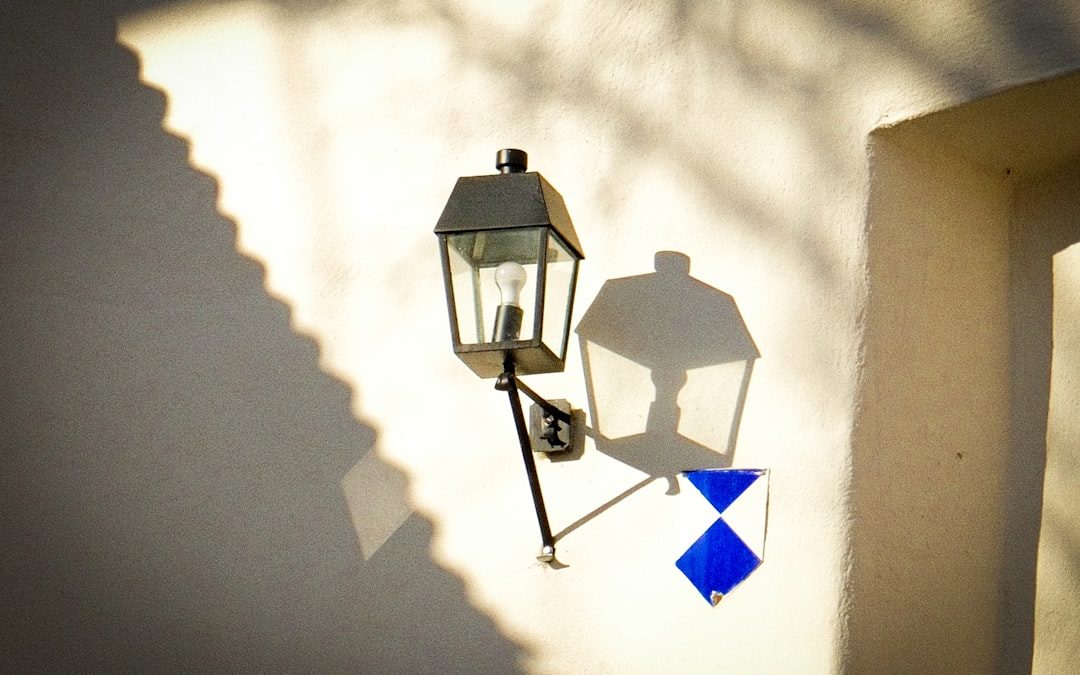
If your home leans towards traditional architecture, consider fixtures with more classic silhouettes. Lantern-style lights, perhaps with seeded glass or wrought iron details, can add a timeless charm.
Rustic and Farmhouse
For a rustic or farmhouse feel, look for lights with natural materials like wood accents or textured metal finishes. Oil-rubbed bronze or black iron are often good choices here.
Eclectic and Unique
Don’t be afraid to mix it up if your style is more eclectic. A statement piece that adds a touch of personality can be a great conversation starter. Just ensure it doesn’t clash too drastically with the rest of your home’s exterior.
Material Matters for Durability and Aesthetics
The materials used in outdoor wall lights aren’t just for looks; they significantly impact how well the fixture holds up against the elements.
Metal Finishes
Common metal finishes include:
- Bronze: Offers a warm, aged look and can range from dark, almost black, to reddish-brown.
- Black: A classic and versatile choice that goes with almost any exterior color.
- Nickel/Stainless Steel: Provides a clean, modern look, but ensure it’s marine-grade or treated for outdoor use to prevent corrosion.
- Copper/Brass: These metals develop a beautiful patina over time, adding character, but can be more expensive.
Glass and Other Diffusers
The type of glass or diffuser also plays a role in the light’s quality:
- Clear Glass: Offers the most direct light, but can be a bit stark.
- Seeded Glass: Has small bubbles within the glass, creating a softer, more diffused light and a vintage feel.
- Frosted Glass: Provides a smooth, even spread of light, minimizing glare.
- Alabaster/Opal Glass: Creates a very soft, diffused glow, ideal for a cozy ambiance.
Placement and Installation: Getting it Right
Where you place your lights and how they’re installed can make a world of difference in both function and form. It’s not just about screwing them in; it’s about strategic placement for the best effect.
The Art of Porch Lighting Placement
Think about the main areas you want to illuminate. Are you focusing on the entry door, walkways, or decorative elements on your porch?
Illuminating the Entryway
The most crucial spot is usually around your front door. This makes it easy for you to find your keys, for guests to find the doorbell, and generally makes the entrance feel more inviting.
Lighting Steps and Walkways
If your porch has steps leading up to it, or a walkway from the street, consider installing lights that cast a downward glow. This is a critical safety feature. Some wall lights have directed beams specifically for this purpose.
Highlighting Architectural Features
Do you have beautiful siding, interesting brickwork, or a decorative porch railing? You can use wall lights to subtly highlight these features, adding depth and visual interest to your home’s exterior.
DIY vs. Professional Installation
For most people, installing outdoor wall lights can be a manageable DIY project, but knowing when to call in a pro is important.
The DIY Approach
If you’re comfortable with basic electrical work, like turning off the power at the breaker, removing an old fixture, and wiring a new one, you can likely do this yourself. Make sure you have the right tools and follow safety precautions meticulously.
When to Call an Electrician
If you’re not confident with electrical work, if you need to add new wiring, or if you’re dealing with complex setups, it’s always best to hire a qualified electrician. They can ensure the installation is safe, up to code, and done correctly the first time.
Powering Your Porch Lights
There are a few ways to power your outdoor wall lights, and your choice might depend on your existing setup and preferences.
Hardwired Options
This is the most common and reliable method, connecting directly to your home’s electrical system. It provides consistent light and doesn’t rely on batteries or sun.
Solar-Powered Lights
These are a great eco-friendly and low-maintenance option. They charge during the day and turn on automatically at night. Just make sure they get enough direct sunlight to charge effectively.
Battery-Operated Lights
While convenient for temporary use or in areas where hardwiring isn’t feasible, battery-operated lights often require frequent battery changes and may not offer the same consistent brightness as other options.
Functionality and Features to Look For
Beyond just the style and placement, modern outdoor wall lights come with a host of features that can enhance their usability and your convenience.
Lighting Controls: Smart and Simple
How you control your lights can significantly impact their usefulness and energy efficiency.
Dusk-to-Dawn Sensors
Many modern fixtures have built-in sensors that automatically turn the lights on at dusk and off at dawn. This is incredibly convenient and ensures your porch is lit when needed without you having to remember to flip a switch.
Motion Sensors
For added security and energy savings, motion-sensing lights are excellent. They activate only when they detect movement, which can deter unwanted visitors and save power when the porch is empty. Some also have a “dusk-to-dawn” feature that keeps a low light on, then brightens with motion.
Dimmers and Smart Controls
If you want more control over the ambiance, consider dimmer-compatible fixtures. For the ultimate convenience, smart outdoor lights can be controlled via an app on your phone, allowing you to set schedules, adjust brightness, and even integrate them with other smart home devices.
Bulb Types: Efficiency and Quality of Light
The type of bulb you choose will impact the light’s brightness, color temperature, and energy consumption.
LED Bulbs: The Go-To Choice
LEDs are the standard for good reason. They are highly energy-efficient, have a long lifespan, and come in a wide range of color temperatures, from warm and cozy to bright and cool. They also don’t generate much heat, which is a plus for outdoor fixtures.
Color Temperature (Kelvin) Explained
The Kelvin (K) rating tells you the color of the light:
- 2700K-3000K (Warm White): This is similar to incandescent bulbs and creates a cozy, inviting atmosphere. Ideal for most residential porches.
- 3500K-4000K (Neutral White): A bit brighter and more natural-looking, good for areas where you need slightly better visibility.
- 5000K+ (Cool White/Daylight): This is a very bright, bluish light that’s less common for residential porches as it can feel harsh.
Weather Resistance and Durability
Outdoor lighting needs to withstand the elements. Look for fixtures that are designed for exterior use and are rated for the climate you live in.
Understanding IP Ratings
While not always clearly advertised for consumer lighting, Ingress Protection (IP) ratings indicate how well a fixture is protected against solids (like dust) and liquids. For outdoor wall lights, you generally want something with good protection against rain and moisture. Manufacturers usually specify if a fixture is weather-resistant or suitable for outdoor use.
Enhancing Curb Appeal and Safety
Good lighting is more than just functional; it’s a powerful tool for making your home look better and feel safer.
The Psychological Impact of Lighting
A well-lit porch signals that your home is occupied and cared for. This can have a significant deterrent effect on potential burglaries.
Creating a Welcoming Atmosphere
When guests arrive at night, a warm, inviting glow on your porch makes them feel more comfortable and welcome. It transforms your entryway from a dark, potentially intimidating space into a friendly threshold.
Improving Navigation and Reducing Hazards
This is perhaps the most critical safety aspect. Properly lit steps, pathways, and the porch itself significantly reduce the risk of trips and falls, especially for children and the elderly.
Security Features to Consider
Beyond just illumination, some lights offer active security benefits.
Integrated Cameras or Smart Home Connectivity
While more of a splurge, some outdoor fixtures integrate cameras or offer smart home compatibility that can alert you to activity around your porch.
Strategic Placement for Visibility
Positioning lights to eliminate dark corners and shadowy areas around your porch and entryways is key to maximizing security. Consider how light falls and where it creates blind spots.
Maintaining Your Night Light Porch Lights
Just like any other home feature, your outdoor lights will perform best with a little regular care. It’s not a huge undertaking, but it makes a difference.
Regular Cleaning for Optimal Performance
Over time, dust, dirt, and cobwebs can accumulate on your light fixtures and bulbs.
Wiping Down Fixtures
Use a soft cloth and a mild soap solution to gently clean the exterior of the light fixtures. This will keep them looking their best and prevent corrosion.
Cleaning Glass and Diffusers
The glass or diffuser shades are crucial for the quality of light. Gently clean these with a glass cleaner or a damp cloth to ensure a clear and even glow. Avoid abrasive cleaners that could scratch the surface.
Bulb Replacement and Checks
Even with long-lasting LEDs, bulbs can eventually fail.
Checking for Loose Connections
Periodically, and especially after cleaning, check that the bulbs are screwed in securely. Loose connections can lead to flickering or the bulb not working at all.
Replacing Bulbs When Needed
If a bulb burns out, replace it with the same type and wattage (or equivalent LED) to ensure proper function and light quality. Always turn off the power at the breaker before attempting to replace a bulb.
Inspecting for Damage and Wear
Outdoor fixtures are exposed to the elements, so it’s wise to give them a once-over now and then.
Looking for Signs of Rust or Corrosion
Especially in humid or coastal areas, watch out for any signs of rust or corrosion on metal parts. Address these early with a rust-inhibiting primer and paint if necessary.
Checking Wiring and Seals
Ensure that any exposed wiring remains intact and that seals around the fixture are still in good condition to prevent water from entering the electrical components. If you notice any damaged wiring, it’s time to call an electrician.