Shining a Light on Kitchen Design: Tips for Effective Kitchen Lighting

Introduction
When it comes to designing a kitchen, lighting plays a crucial role in creating a functional and inviting space. Proper kitchen lighting can enhance the room’s aesthetic appeal, provide ample illumination for food preparation, and create an ambiance that suits your style and preferences. In this article, we will explore some tips and strategies for designing effective kitchen lighting that will meet your cooking and dining needs.
Understanding Kitchen Lighting Basics
Before diving into the specifics of kitchen lighting design, it is essential to grasp the fundamentals of lighting. There are three main types of lighting used in any room, including kitchens: ambient, task, and accent lighting. Ambient lighting creates an overall illumination of the space, while task lighting is used to light up a specific area, such as the countertop, sink, or stove. Accent lighting is used to add decorative elements and highlights specific features or objects in the room.
Types of Lighting Fixtures
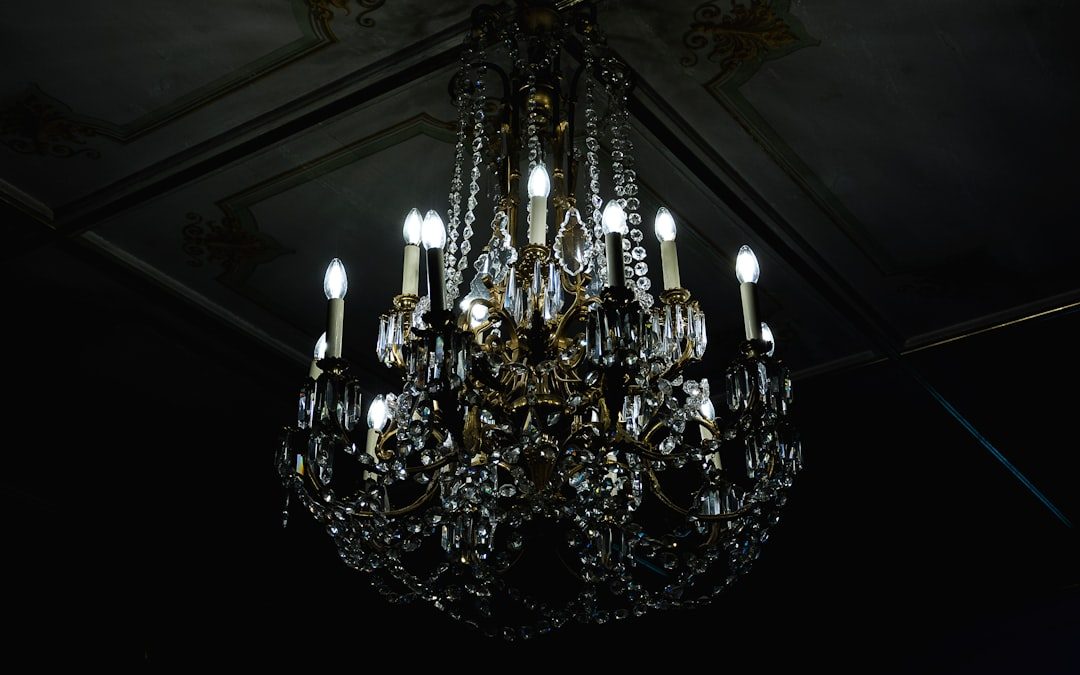
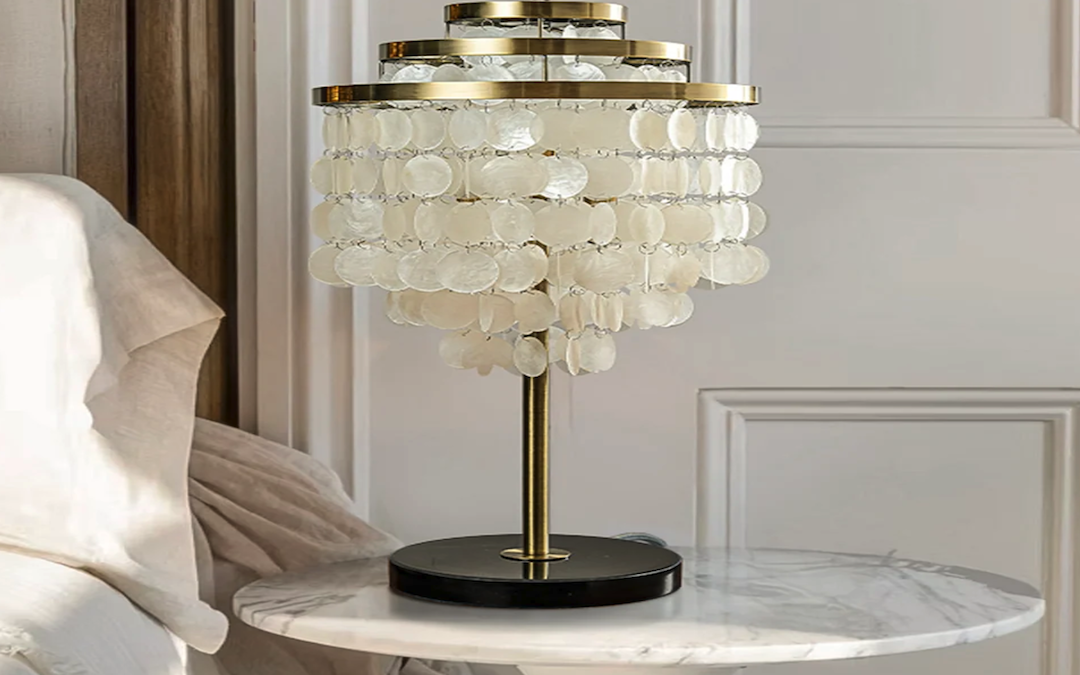
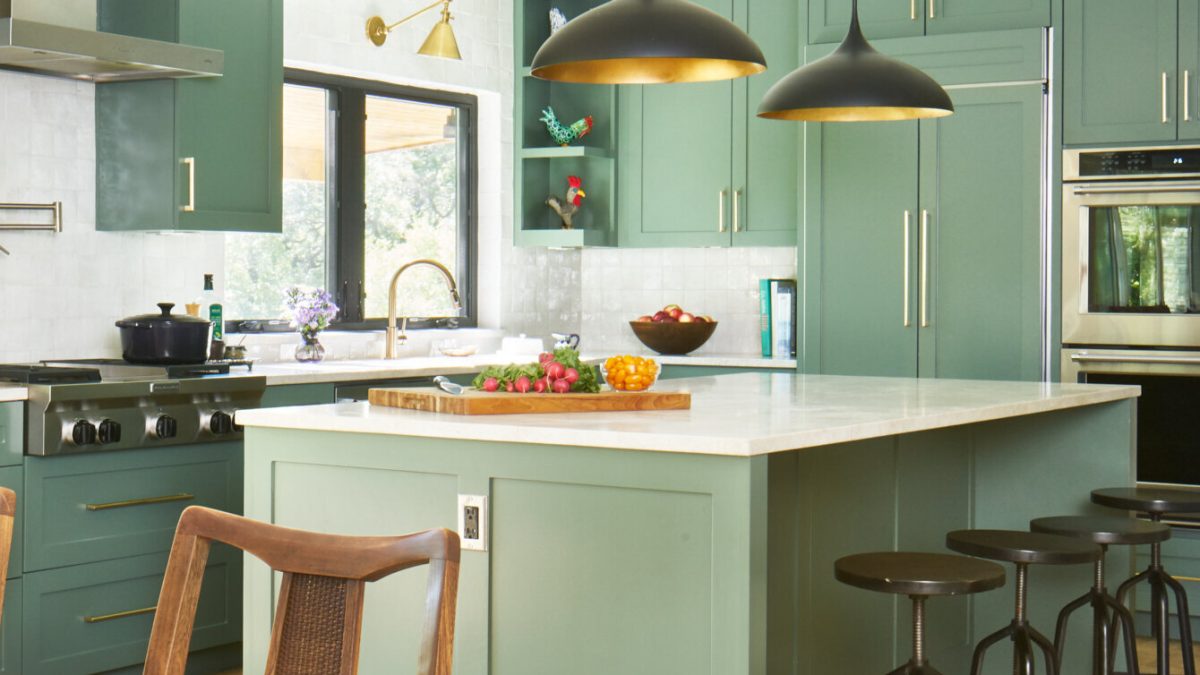
When it comes to kitchen lighting, there is a broad range of fixtures to choose from, including ceiling fixtures, recessed lights, track lighting, under-cabinet lighting, pendant lights, and chandeliers. Each fixture has its unique style, design, and function, and choosing the right one will depend on your lighting goals, kitchen layout, and personal preferences.
Placement and Layout of Fixtures
Proper placement and layout of lighting fixtures are crucial for creating a well-lit and functional kitchen. As mentioned earlier, task lighting, such as under-cabinet lighting or pendant lights, should be placed in areas where you need adequate illumination for food preparation and cooking. This could include above the sink or stove, or under the cabinets where you chop vegetables, prepare meals or mix drinks.
Ambient lighting should be evenly distributed throughout the kitchen ceiling to create a balanced, overall illumination. Recessed lights are often used for ambient lighting, and they should be placed every four to six feet to achieve the desired effect. Accent lighting can be added to highlight specific areas, such as art pieces, cabinets, or shelves, giving the kitchen a touch of elegance and sophistication.
Design Considerations
When designing your kitchen lighting, several factors should be taken into account, including your kitchen’s size, style, and layout, the existing natural light, and the activities you typically engage in while in the kitchen.
Natural Light
If your kitchen gets a lot of natural light, you may need fewer lighting fixtures or lower wattage bulbs. Consider positioning light fixtures in a way that balances natural and artificial light to prevent glare and shadows.
Kitchen Layout
The layout of your kitchen will also play a vital role in determining the type and placement of light fixtures. For example, an open kitchen with an island may require more task lighting than a small, enclosed kitchen.
Kitchen Style
The style of your kitchen should reflect your personal preferences and taste. Lighting can be used to enhance the kitchen’s style and create a cohesive design. For example, pendant lights with a sleek, modern design may fit well in a contemporary kitchen, while chandeliers can add a touch of elegance to a traditional kitchen.