How to Choose the Perfect Bedroom Ceiling Light for Your Space

Finding the right bedroom ceiling light isn’t just about picking something pretty; it’s about creating a functional, comfortable, and inviting atmosphere. The “perfect” light balances aesthetics with practical needs like brightness, light temperature, and how it physically fits into your room. It’s a crucial element in designing a space for relaxation and rejuvenation, so let’s dig into how to make an informed choice that truly elevates your bedroom.
Understanding Your Bedroom’s Needs
Before you even start browsing, take a good, honest look at your bedroom. It’s more than just a place to sleep; it’s a personal sanctuary, a reading nook, a dressing area, and sometimes even a quiet workspace. The lighting needs to support all these functions without being overwhelming or insufficient.
Assessing Room Size and Ceiling Height
This is perhaps the most practical starting point. A large room with a high ceiling can handle a much different fixture than a small room with a low ceiling.
For Low Ceilings
If your ceiling is 8 feet or less, flush mount or semi-flush mount fixtures are your best friends. These lights sit close to or directly against the ceiling, preventing anyone from bumping their head and making the room feel more open. Pendants or chandeliers in such spaces can feel intrusive and make the room appear smaller and cluttered. You’ll want to ensure the fixture doesn’t hang lower than 7 feet from the floor in common walking paths.
For Standard to High Ceilings
With ceilings over 8 feet, you have more flexibility. Semi-flush mounts still work well, offering a bit more decorative flair than flush mounts. Pendants and chandeliers become viable options, allowing you to make a bolder design statement. The general rule of thumb for hanging a chandelier or pendant over an open area is to ensure the bottom of the fixture is at least 7 feet from the floor. In a bedroom, particularly over the bed where you won’t be walking directly beneath it, you might lower it slightly for aesthetic purposes, but always consider sightlines and practical movement.
Considering Ambient, Task, and Accent Lighting
A single ceiling light rarely provides all the illumination a bedroom needs. Think about the layers of light you’ll require.
Ambient Lighting
This is your general illumination, providing overall brightness for the room. Your main ceiling fixture typically serves this purpose. It should be bright enough to navigate the room safely but dimmable so you can reduce its intensity for a more relaxed atmosphere. Think of it as the foundation upon which your other lighting layers build.
Task Lighting
This is focused light for specific activities. Bedside lamps for reading, a vanity light for getting ready, or a desk lamp for work are all examples. Your ceiling light doesn’t need to compensate for these; its job is broader. Sometimes, a ceiling fixture with multiple adjustable spotlights can contribute to task lighting if aimed correctly, but dedicated task lights are usually more effective.
Accent Lighting
This type of lighting highlights architectural features, artwork, or adds a decorative touch. Picture recessed lighting aimed at a gallery wall, or a strip light behind a headboard. While not typically provided by the main ceiling fixture, understanding your need for accent lighting helps you see the ceiling light as part of a larger lighting scheme. If your main light is very decorative, it might become an accent in itself.
Style and Aesthetic Harmony
Once you’ve got the practicalities sorted, it’s time to think about how the light fixture will visually integrate into your bedroom. This is where your personal taste and existing decor come into play.
Matching Your Bedroom’s Decor Theme
Your ceiling light should complement, not clash with, your room’s overall style.
Modern and Minimalist
Look for clean lines, geometric shapes, and often metallic finishes like brushed nickel, chrome, or matte black. Integrated LED fixtures that are sleek and unobtrusive are often a good fit. Think simplicity and functionality.
Traditional and Classic
Ornate designs, crystal accents, fabric shades, and finishes like bronze, brass, or wrought iron are common. Chandeliers or multi-arm fixtures with a more intricate design can work well here. The idea is to evoke a sense of timeless elegance.
Rustic and Farmhouse
Wood elements, exposed bulbs, metal cages, and distressed finishes often define this style. Think industrial-inspired pendants or fixtures with a natural, unrefined feel. Materials like reclaimed wood or dark metals are key.
Bohemian and Eclectic
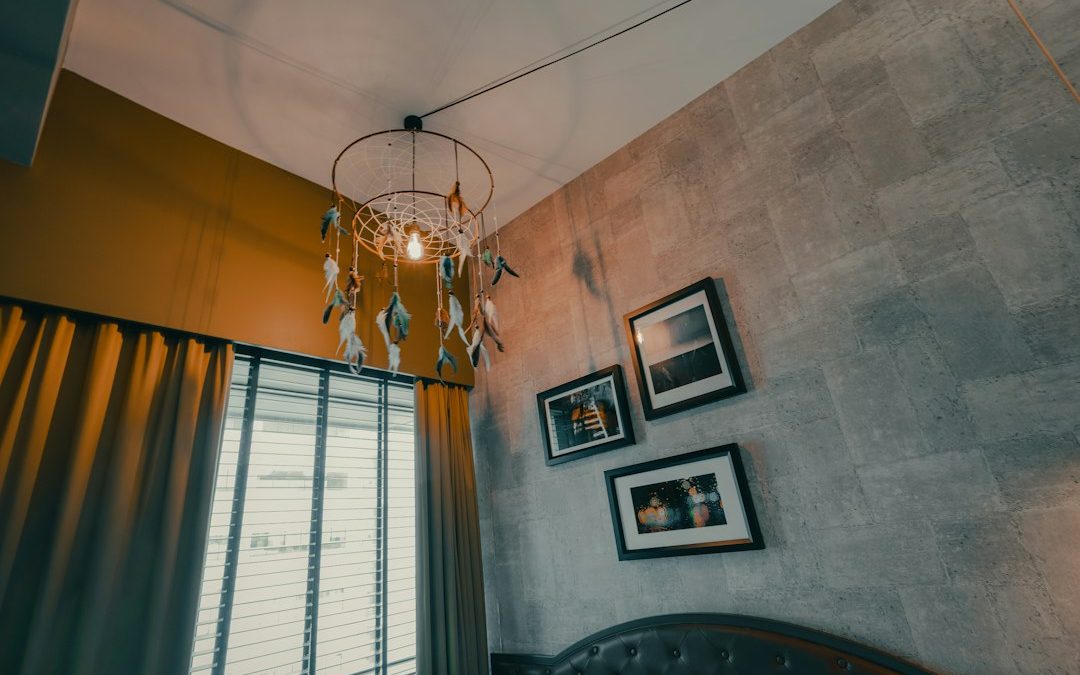
This style is all about mixing textures, patterns, and global influences. You might find fixtures made of rattan, macrame, colored glass, or those with a unique, handcrafted appearance. Don’t be afraid to choose something unexpected that still feels cohesive with your collection of treasures.
Considering Materials and Finishes
The materials and finishes of your light fixture contribute significantly to its aesthetic appeal and durability.
Metals
Common options include brushed nickel (versatile, modern), chrome (sleek, contemporary), bronze (traditional, warm), brass (classic, can be modern depending on finish), and matte black (bold, modern, industrial). Consider how these finishes interact with door hardware, furniture pulls, and other metallic elements in your room.
Glass
Frosted, clear, seeded, or colored glass can diffuse light differently and create varying visual effects. Frosted glass provides a softer, more even glow, while clear glass can allow for more direct light and potentially exposed bulb aesthetics.
Fabric Shades
These offer a softer, diffused light and can introduce texture and color. They’re common in traditional and transitional styles and help create a cozy ambiance. The color of the fabric will affect the warmth of the light emitted.
Wood, Rattan, and Natural Fibers
These materials bring warmth, texture, and an organic feel, perfect for bohemian, coastal, or rustic aesthetics. They can create interesting light patterns on the ceiling and walls.
Light Output and Quality
Beyond how it looks, how the light performs is paramount. This involves understanding brightness and color temperature.
Lumens, Not Watts
Forget watts when judging brightness for modern LED fixtures. Watts measure energy consumption; lumens measure actual light output.
How Many Lumens for a Bedroom?
A general guideline for ambient bedroom lighting is 10-20 lumens per square foot.
- Small Bedroom (e.g., 10×10 feet = 100 sq ft): 1000-2000 lumens
- Medium Bedroom (e.g., 12×12 feet = 144 sq ft): 1440-2880 lumens
- Large Bedroom (e.g., 15×15 feet = 225 sq ft): 2250-4500 lumens
Keep in mind that this is for ambient lighting. If you have plenty of task lighting from bedside lamps, you might lean towards the lower end for your main ceiling light. If the ceiling light is your primary source, aim for the middle to upper end, especially if it’s dimmable.
Understanding Color Temperature (Kelvin)
Color temperature, measured in Kelvin (K), describes the warmth or coolness of the light. This significantly impacts the mood of your bedroom.
Warm White (2700K-3000K)
This is a soft, yellowish light, similar to incandescent bulbs. It promotes relaxation and comfort, making it ideal for bedrooms. It creates a cozy and inviting atmosphere. Most people find this range perfect for unwinding.
Neutral White (3500K-4000K)
This light is closer to natural daylight and can feel more energizing. While sometimes used in bedrooms for practical tasks like getting ready, it can feel a bit too stark for pure relaxation for some people. It’s often better suited for kitchens or home offices, but if your bedroom doubles as a workspace, it could be an option.
Cool White/Daylight (5000K-6500K)
This light has a bluish tint and is very bright and invigorating. It’s generally too harsh and stimulating for a bedroom, which is meant for rest. It’s typically reserved for task-oriented areas like garages or specific workspaces.
Tunable White Lighting
Some advanced LED fixtures offer “tunable white” capabilities, allowing you to adjust the color temperature from warm to cool. This is a fantastic option for bedrooms, as you can have bright, neutral light for getting ready in the morning and switch to warm, dim light for unwinding in the evening.
Dimming Capabilities
This is non-negotiable for a bedroom ceiling light. The ability to adjust the brightness is crucial for versatility. You’ll want bright light when cleaning or looking for something, but soft, low light for winding down. Ensure both your fixture and the bulbs you choose are dimmable, and that you have a compatible dimmer switch installed. There are different types of dimmer switches (e.g., leading edge, trailing edge) and matching them correctly to your LED bulbs is important to avoid flickering or buzzing.
Installation and Practical Considerations
Even the most beautiful light won’t be “perfect” if it’s a nightmare to install or maintain.
Wiring and Electrical Box
Existing Wiring
Most ceiling lights are designed to connect to a standard electrical box in the ceiling. Before purchasing, verify if you have an existing box, its size, and if it’s properly secured to a joist. If you’re replacing an old fixture, this usually isn’t an issue.
New Installation
If there’s no existing wiring or box, installing a new ceiling light is a more involved project. It typically requires running new electrical lines, installing a new switch, and cutting into the ceiling to mount a box. This is almost always a job for a qualified electrician for safety and code compliance.
Junction Box Capacity
Ensure the existing junction box is rated to support the weight of your new fixture. Heavy chandeliers require a specific type of brace and a robust box. Most standard fixtures are fine with a regular box, but it’s worth checking, especially if you’re upgrading to something much heavier.
Ease of Maintenance
Consider how easy it will be to clean the fixture and change bulbs.
Cleaning
Dust and cobwebs are inevitable. Fixtures with intricate designs, many small crystals, or delicate shades can be beautiful but are often a pain to clean. Smooth surfaces, simple designs, and enclosed globes are much easier to maintain.
Bulb Replacement
If your fixture uses replaceable bulbs, think about how accessible they are. Is a ladder always required? Are the bulbs a standard, readily available type, or will you be hunting for specialty bulbs? Integrated LED fixtures avoid bulb changes entirely, but if the LEDs fail, the entire fixture typically needs replacing (though quality integrated LEDs are designed for tens of thousands of hours of use).
Energy Efficiency
Opting for energy-efficient lighting is a smart choice for your wallet and the environment.
LED Lighting
LEDs are the clear winner here. They consume significantly less energy than incandescent or halogen bulbs, last much longer, and produce very little heat. While the upfront cost might be slightly higher, the savings on electricity bills and bulb replacements quickly make up for it.
Smart Lighting Options
Many modern LED fixtures and bulbs now offer smart capabilities. This means you can control them via an app on your phone, integrate them with smart home systems (like Alexa or Google Home), set schedules, and even change color temperatures and brightness with voice commands. This adds a layer of convenience and customization that can truly enhance your bedroom experience.
Final Touches and Integration
Once you’ve chosen your main ceiling light, think about how it works with everything else in the room.
Layering with Other Light Sources
As mentioned earlier, a single ceiling light usually isn’t enough. Your “perfect” ceiling light is part of a team.
Bedside Lamps
Essential for reading and providing localized, softer light. They should complement the style of your ceiling fixture without directly competing.
Floor Lamps
Can add ambient light, task lighting (if directional), or accent light. They’re great for filling darker corners or providing light for a reading chair.
Recessed Lighting
If you have recessed lights, consider their placement and function. They can be good for general ambient light or for highlighting specific areas. Ensure their color temperature matches or harmonizes with your main fixture.
Wall Sconces
Can add decorative flair and provide soft, localized light, particularly useful for flanking a bed or vanity.
Testing and Living with Your Choice
Once installed, take some time to live with your new light.
Observe During Different Times of Day
How does the light look in the morning, afternoon, and evening? Does it feel too bright or too dim at any point? This is where dimming becomes invaluable.
Assess Mood and Functionality
Does it create the calming atmosphere you envisioned? Is it bright enough for getting dressed or cleaning? If not, consider if it’s the fixture itself or if you need to adjust your approach to layering other light sources.
Bulb Experimentation
If your fixture uses replaceable bulbs, don’t be afraid to try different lumen outputs and color temperatures within the recommended range. A slightly warmer or cooler bulb can make a big difference in the overall feel of the room.
Choosing the perfect bedroom ceiling light is a thoughtful process, blending practical considerations with personal style. By systematically evaluating your room’s dimensions, desired aesthetic, lighting needs, and practical installation factors, you can confidently select a fixture that not only illuminates your space but also enhances its beauty and comfort, turning your bedroom into the peaceful retreat it’s meant to be.