Linen fabric shade lamps: Soft, diffused room light

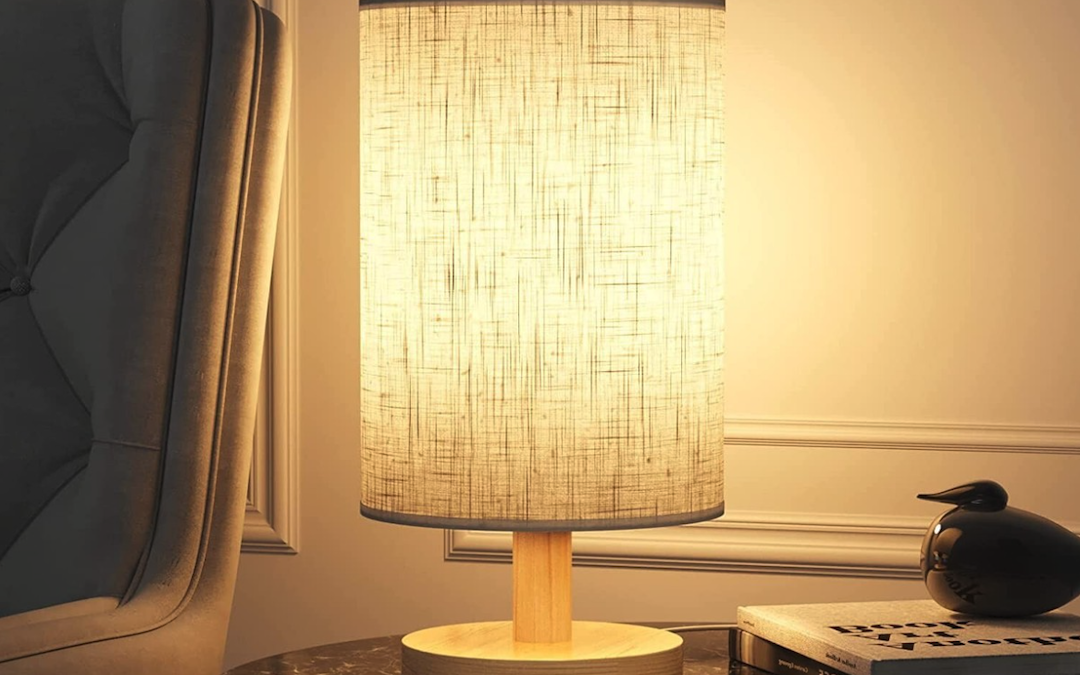
Linen fabric shade lamps offer a wonderful solution for achieving soft, diffused room light. They work by gently scattering the light source, rather than blocking it entirely, which creates a warm, inviting glow that’s much easier on the eyes than direct, harsh illumination. This makes them ideal for spaces where comfort and ambiance are priorities, like living rooms, bedrooms, or even cozy reading nooks.
The magic of linen shades lies in the inherent properties of the fabric itself. It’s not just about aesthetics; there’s a practical science behind its light-filtering capabilities.
Natural Fiber Structure
Linen is made from flax fibers, which have a unique, slightly irregular structure. Unlike perfectly uniform synthetic fibers, these natural variations create tiny imperfections in the weave. When light 1homedesign hits these microscopic differences, it’s scattered in multiple directions rather than passing through in a straight line. This “scattering” is what we perceive as diffusion.
Semi-Opaque Weave
Most linen fabrics used for lampshades are woven with a certain degree of openness. This isn’t a tight, opaque weave like denim, nor is it completely sheer like voile. This semi-opaqueness allows a significant portion of light to pass through, but with enough resistance to break up intense beams. Think of it like a very fine, natural filter.
Breathability
While not directly related to light diffusion, linen’s breathability contributes to its overall suitability for lampshades. It allows some heat from the bulb to dissipate, reducing the risk of overheating compared to very dense or synthetic materials that might trap heat. This is a practical consideration for longevity and safety.
The Practical Benefits of Diffused Light
Beyond just looking nice, diffused light offers several tangible advantages for health, comfort, and the overall feel of a room.
Reducing Glare and Eye Strain
Direct light sources, especially from uncovered bulbs, can create harsh glare. This glare causes our pupils to constrict, leading to eye strain, fatigue, and even headaches over time. Diffused light, on the other hand, minimizes these bright spots, spreading the illumination more evenly across the space. It’s like the difference between staring at the sun versus a cloudy sky – both provide light, but one is far more comfortable.
Enhancing Ambiance and Comfort
There’s an undeniable psychological impact of light. Harsh, direct light can feel sterile and unwelcoming, almost like a hospital. Soft, diffused light, however, evokes feelings of warmth, relaxation, and intimacy. It makes a room feel more inviting and less intimidating, a perfect setting for winding down after a long day or having a casual conversation.
Minimizing Shadows
Strong, direct light creates sharp, deep shadows that can make a room feel cramped and unevenly lit. Diffused light softens these shadows significantly, or eliminates them altogether. This creates a visually smoother, more expansive feel to the space, allowing details and textures to be appreciated without distraction.
Flattering Illumination
From a visual perspective, diffused light is incredibly flattering. It softens facial features, reduces harsh lines, and makes skin tones appear warmer and more natural. This is why professional photographers often use diffusers on their lights – it just looks better. In a home, this translates to a more comfortable and appealing environment for both people and objects.
Choosing the Right Linen Shade for Your Space
Not all linen shades are created equal. Considering a few key factors will help you select the perfect one to achieve your desired lighting effect.
Weave Density and Opacity
The tightness of the linen weave directly impacts how much light passes through. A looser, more sheer weave will allow more light to penetrate, while a tighter, denser weave will offer greater diffusion and a slightly dimmer overall effect.
- Loose Weave: Ideal for areas needing more ambient light, like a main living space, while still wanting some diffusion. Think of it as a gentle veil.
- Medium Weave: A versatile choice that balances brightness with good diffusion. This is often the most common and practical option.
- Tight Weave: Best for creating a very soft, muted light, often preferred in bedrooms or for accent lamps where a whisper of light is desired.
Color of the Linen
The color of your linen shade plays a crucial role in the warmth and intensity of the light emitted.
- White and Off-White: These shades offer the most neutral light, allowing the full spectrum of the bulb’s light to pass through with minimal color alteration. They provide a clean, bright diffused light.
- Natural and Beige: These hues introduce a subtle warmth to the light, making it feel more inviting and cozy. They’re excellent for creating a relaxed atmosphere.
- Darker Tones (e.g., Charcoal, Navy): While still diffusing light, darker linen will significantly reduce the overall light output and impart its own color cast. This can create a dramatic or moody effect, but might not be suitable for general illumination. Consider these for accent lighting where a bold statement is desired.
Shade Shape and Size
The shape and size of the lampshade influence how the diffused light is projected into the room.
- Drum Shades: These cylindrical shades provide a very even, all-around diffusion. They direct light both upwards and downwards, creating a balanced ambient glow.
- Empire Shades: Tapering slightly from top to bottom, empire shades direct more light downwards, which can be useful for illuminating a specific area like a table or reading spot, while still providing some upward diffusion.
- Bell Shades: With their more pronounced curve, bell shades offer a softer, more traditional aesthetic. They typically direct light mostly downwards and outwards.
- Rectangular/Square Shades: These modernist shapes offer a clean, contemporary look and distribute light in a more defined, directional pattern than round shades. They can work well in spaces with clean lines and geometric decor.
- Size Matters: A larger shade will naturally diffuse light over a greater surface area, leading to a broader spread of soft light. A smaller shade will offer more concentrated diffusion. Ensure the shade is proportionate to the lamp base and the scale of the room.
Integrating Linen Shade Lamps into Your Home Decor
Linen shades are incredibly versatile and can complement a wide range of interior design styles, from rustic farmhouse to minimalist modern. Their understated elegance allows them to blend in or stand out, depending on your approach.
Versatility Across Styles
Linen’s natural texture and neutral tones make it a chameleon in the design world.
- Modern Minimalist: Clean-lined linen shades in white or off-white contribute to a serene, uncluttered aesthetic without being stark. They add organic texture to otherwise sleek spaces.
- Bohemian/Eclectic: Looser weave linen shades, especially in natural or dyed hues, perfectly complement the relaxed, artistic vibe of bohemian decor. They pair beautifully with other natural materials like rattan, jute, and wood.
- Farmhouse/Coastal: Linen’s inherent connection to nature makes it a natural fit for these styles. Think about pairing textured linen shades with washed woods, wicker, and muted color palettes for an authentic, comfortable feel.
- Traditional/Transitional: A classic empire or bell-shaped linen shade can soften more formal furnishings, bridging the gap between traditional elegance and contemporary comfort.
- Scandinavian: The emphasis on natural materials, light tones, and functional design in Scandinavian interiors makes linen shades a perfect choice for adding warmth and diffused light.
Layering Light for Optimal Ambiance
Don’t rely on just one linen shade lamp to light an entire room. The most successful lighting schemes use a layered approach, and linen shades are excellent for contributing to several of these layers.
- Ambient Lighting: This is the general, overall illumination of a room. Large linen pendant lights or ceiling fixtures are perfect for providing a soft, widespread ambient glow.
- Task Lighting: This is focused light for specific activities like reading or cooking. While a linen shade tabletop lamp can provide some task lighting, it’s often more about softer illumination for comfort. Use it on a bedside table for gentle reading light.
- Accent Lighting: This highlights specific features or creates visual interest. Smaller linen shade lamps on shelves or side tables can subtly draw attention to artwork or decorative objects.
- Mood Lighting: This is purely about creating an atmosphere. Multiple linen shade lamps, perhaps with dimmers, can be used to set a variety of moods from bright and inviting to dim and intimate.
Complementary Materials and Textures
When incorporating linen shade lamps, think about how they interact with other materials in the room.
- Wood: The natural warmth of wood (oak, walnut, birch) beautifully complements the organic texture of linen, creating a harmonious and grounded feel.
- Ceramics/Pottery: The earthy quality of ceramics pairs well with linen’s natural charm, enhancing a handcrafted, artisanal aesthetic.
- Metals (Brushed Brass, Matte Black): For a more contemporary or industrial edge, pair linen shades with metal lamp bases. Brushed finishes prevent the look from becoming too stark, retaining some warmth.
- Glass: A clear or frosted glass base can offer a light, ethereal contrast to the more substantial linen shade, adding visual interest.
- Other Fabrics: Linen shades work well with other natural fabrics like cotton, wool, and jute, reinforcing a tactile and comfortable environment.
Maintenance and Care for Linen Lamp Shades
While linen shades are durable, a little regular care will ensure they continue to look their best and diffuse light beautifully for years to come.
Regular Dusting and Cleaning
Dust build-up can dull the appearance of your shade and reduce its light-diffusing properties.
- Dust Regularly: The easiest way to keep your linen shade looking fresh is to dust it regularly. Use a soft, clean microfiber cloth, a feather duster, or the brush attachment of your vacuum cleaner on a low setting. Gently wipe or brush the surface of the shade in a downward motion to remove loose dust.
- Spot Cleaning: For small marks or smudges, you can gently spot clean with a very slightly damp cloth. Use plain water or a very mild, diluted fabric cleaner. Test an inconspicuous area first to ensure no discoloration. Dab, don’t rub, and allow to air dry completely. Avoid saturating the fabric.
- Deep Cleaning (Handle with Care): For more extensive cleaning, it’s often best to consult a professional or consider replacement if the shade is very old or delicate. Some linen shades may be carefully hand-washed if they are removable and the frame is robust (and won’t rust). However, this is a risky endeavor as it can distort the shape or damage the fabric. If attempting, use cold water and a mild detergent, gently swish, rinse thoroughly, and air dry on a stable form to prevent warping.
Avoiding Stains and Damage
Prevention is always easier than cure when it comes to fabric shades.
- Keep Away from Moisture: Avoid placing linen shade lamps in high-humidity areas like directly next to a shower or bathtub, as moisture can lead to mold or mildew growth and staining.
- Protect from Direct Sunlight: While linen is durable, prolonged exposure to direct, intense sunlight can cause fading and break down the fibers over time. Position your lamps away from harsh, unfiltered windows if possible.
- Handle by the Frame: Always handle lampshades by their wire or metal frame, not by the fabric. This prevents creasing, tearing, or leaving fingerprints on the cloth.
- Use Appropriate Bulbs: Ensure you’re using light bulbs that do not generate excessive heat, especially with enclosed shades. LED bulbs are an excellent choice as they run cool, further protecting the fabric from heat damage and discoloration. Check the lamp’s wattage recommendations.
Rejuvenating Old Shades
Sometimes all an old linen shade needs is a little refresh.
- Lint Rolling: For persistent lint or pet hair, a lint roller can work wonders.
- Gentle Steaming: If your linen shade has some wrinkles from storage or handling, a gentle steam cleaner (held at a distance) can help relax the fibers, or place it in a steamy bathroom for a short period. Be careful not to saturate the fabric.
- Consider a Liner: If an older shade has become brittle or slightly damaged, a thin, translucent liner material (like parchment paper or a sheer fabric) can sometimes be carefully added to the inside to reinforce it and still allow for light diffusion. This requires some DIY skill.
- Repurposing: If a linen shade is truly beyond repair or cleaning, consider repurposing the fabric for another small craft project if you like the material, rather than simply discarding it.
Linen fabric shade lamps are not just decorative items; they are practical tools for shaping the light in your home, enhancing comfort, and contributing to a healthier, more inviting environment. By understanding how they work and caring for them properly, you can enjoy their soft, diffused glow for many years to come.