Stylish Steel Frame Pendant Lighting: A Modern Touch

So, you’re wondering if steel frame pendant lighting can genuinely bring a modern touch to your space? The short answer is yes, absolutely. These fixtures, with their clean lines and often minimalist form, are a fantastic way to introduce a contemporary aesthetic. They’re less about hiding the light source and more about celebrating it, offering a sophisticated blend of industrial edge and refined design.
When we talk about steel frame pendant lighting Lightingstudioberkeley, we’re not just discussing a way to illuminate a room. We’re talking about a design element, a sculptural piece that contributes significantly to the overall feel and style of your home or commercial space. Unlike some heavier, more ornate fixtures, steel frames tend to keep things light and airy, preventing a room from feeling cluttered or weighed down.
The Material Itself: Strength and Versatility
Steel, as a material, offers inherent advantages. It’s incredibly strong, durable, and resistant to corrosion, especially when treated properly. This means your pendant light isn’t just a fleeting trend; it’s an investment that will last. Its natural color, a cool metallic grey, also acts as a neutral base, allowing it to blend seamlessly or stand out strategically depending on the finish and design.
A Nod to Industrial Chic
There’s an undeniable connection between steel frame lighting and the ever-popular industrial chic aesthetic. Think of old factories, warehouses, and workshops – places where function dictated form, and materials like steel were central. Modern designers have taken these cues, refining them into elegant, visually arresting pieces that bring a touch of that raw, honest aesthetic into contemporary settings without being overly rustic or unpolished.
Finding the Right Fit: Sizing and Placement Considerations
Choosing the right steel frame pendant isn’t just about picking one you like. It involves a bit of practical thinking about proportions and purpose. Getting this right makes all the difference in how the fixture impacts your space.
Over Kitchen Islands and Dining Tables
This is perhaps the most common placement for pendant lighting, and for good reason. Pendants provide task lighting while defining an area.
The “Rule of Threes” (and Other Numbers)
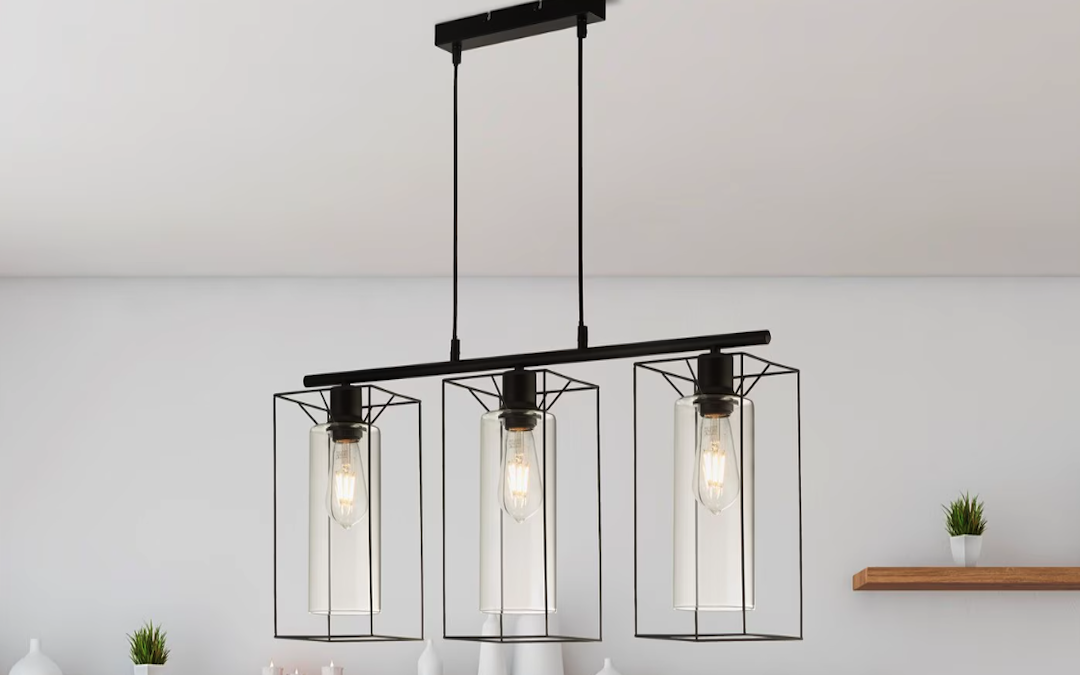
For kitchen islands, a general guideline is to use multiple smaller pendants rather than one large one. Often, three pendants spaced evenly over an island works well for lengths between five and seven feet. For longer islands, you might consider four or even five. The idea is to distribute the light and create visual balance. Over a dining table, a single larger pendant or a series of smaller ones clustered together can work. Ensure the bottom of the pendant is roughly 30-36 inches above the surface to avoid obstructing views or creating glare.
Scale and Proportion
Consider the size of your island or table. A pendant that’s too small will look lost, while one that’s too large can overpower the space. As a rough guide, the width of a single pendant or the combined width of multiple pendants should be about two-thirds to three-quarters the width of the surface below it.
Entryways and Hallways
These often-overlooked areas can truly benefit from a well-placed steel frame pendant. They act as a welcoming beacon and introduce your home’s style from the moment someone steps inside.
Making a Statement
In an entryway, a single, eye-catching steel frame pendant can serve as a focal point. Its geometric structure can create interesting shadow patterns, adding depth and visual interest. Ensure there’s adequate headroom – generally, the bottom of the pendant should be at least seven feet from the floor in high-traffic areas.
Guiding the Eye in Hallways
For longer hallways, a series of smaller, identical pendants spaced evenly can draw the eye along and prevent the space from feeling like a tunnel. They offer both ambient light and a rhythmic design element.
Bedrooms and Living Rooms
While less common, steel frame pendants can absolutely work in these spaces, offering an alternative to traditional ceiling lights or lamps.
Bedside Illumination
Instead of a bulky bedside lamp, a smaller steel frame pendant hanging down on either side of the bed frees up nightstand space and offers a stylish, modern look. Make sure the light source is diffused or directed to avoid harsh glare when reading.
Zonal Lighting in Living Areas
In larger living rooms, a steel frame pendant can be used to define a specific area, like a reading nook or a corner conversation space, without needing a full-height floor lamp. This layered approach to lighting adds depth and versatility to the room.
The Versatility of Style: From Minimalist to Intricate
One of the great strengths of steel frame pendant lighting is its adaptability. While inherently modern, the specific design can range widely, allowing you to fine-tune the aesthetic to your exact preferences.
The Beauty of Simplicity: Minimalist Designs
Many steel frame pendants lean into a minimalist philosophy. Think clean lines, open cages, and a focus on geometric shapes like cubes, spheres, or simple frames.
Embracing Negative Space
These designs often utilize negative space as much as the steel itself. The light flows through and around the frame, creating an ethereal quality. This works wonderfully in spaces where you want a sense of openness and avoid visual clutter.
Subtlety in Finishes
Minimalist steel pendants often come in muted finishes – matte black, brushed nickel, or unpolished raw steel. These finishes allow the form to speak for itself without added adornment.
Adding Intrigue: Geometric and Abstract Forms
Not all steel frame pendants are purely minimalist. Many designers play with more complex geometry and abstract forms, turning the fixture into a true piece of art.
Hexagons, Octagons, and Beyond
Expect to see intricate arrangements of steel rods forming compelling multi-sided shapes or overlapping patterns. These designs add a touch of architectural interest and can become a focal point, drawing the eye upwards.
The Deconstructed Look
Some designs embrace a more “deconstructed” aesthetic, where the frame appears to be composed of individual, unconnected pieces that come together to form an overall shape. This can add an edgy, artistic vibe.
Industrial Edge: Exposed Filaments and Bold Statements
For those who want to lean heavily into the industrial aesthetic, some steel frame pendants deliberately expose the bulb itself, often pairing it with Edison-style filament bulbs.
The Charm of Edison Bulbs
The visible filaments of an Edison bulb, with their warm, amber glow, complement the raw nature of steel beautifully. They reinforce that industrial, heritage feel while offering a softer, welcoming light.
Larger, More Robust Frames
Industrial-leaning pendants might feature thicker steel frames, perhaps with visible rivets or distressed finishes, further emphasizing their sturdy, utilitarian roots.
Finishes and Colors: Tailoring the Aesthetic
The finish of your steel frame pendant is just as important as its shape. It’s a crucial detail that can completely change the character of the fixture and how it integrates into your decor.
Classic Black and White: The Modern Staples
Matte black and crisp white are perennial favorites for modern design.
Matte Black: Bold and Sophisticated
A matte black steel frame pendant offers a striking contrast against lighter walls and ceilings. It provides a strong visual anchor and instantly elevates the contemporary feel of a room. It pairs well with natural wood accents, concrete, and neutral color palettes.
Crisp White: Airy and Understated
A white steel frame, often in a gloss or semi-gloss finish, can almost disappear against a white ceiling, creating a sense of lightness and minimizing visual intrusion. It’s an excellent choice for smaller spaces or when you want the light source to be present without being overly dominant.
Embracing Metallics: Warmth and Shine
Beyond the classic neutrals, metallic finishes offer different nuances.
Brushed Nickel and Chrome: Cool and Contemporary
These cool-toned silvers are synonymous with modern bathrooms and kitchens. They offer a sleek, reflective quality that can brighten a space and add a touch of polished sophistication. Brushed nickel tends to be more understated, while chrome offers a high-shine, almost mirror-like finish.
Brass and Copper: Adding Warmth
While steel itself is often associated with cool tones, brass and copper finishes on steel frames introduce a welcome warmth. Brushed brass, in particular, has seen a huge resurgence in popularity, offering a sophisticated, almost vintage feel without being old-fashioned. Polished copper can add a vibrant, artisanal touch. These warmer metallics pair beautifully with richer color palettes, darker woods, and even luxurious fabrics like velvet.
Practical Considerations: Beyond the Looks
While aesthetics are a major driver, there are practical aspects to consider when selecting and installing your steel frame pendant lighting.
Bulb Choice: Function and Ambiance
The type of bulb you choose significantly impacts both the functionality and the ambiance of your pendant.
LED: Efficiency and Longevity
LED bulbs are almost always the best choice for modern lighting. They are incredibly energy-efficient, have a long lifespan, and come in a vast range of color temperatures and brightness levels. Look for dimmable LEDs if you want to control the mood and intensity of your lighting.
Color Temperature: Setting the Mood
Bulbs come in different “color temperatures,” measured in Kelvin (K).
- Warm White (2700K-3000K): Offers a cozy, inviting glow, similar to traditional incandescent bulbs. Great for living rooms, bedrooms, and dining areas.
- Neutral White (3500K-4000K): A balanced light, good for task-oriented areas like kitchens or home offices where you need good visibility without harshness.
- Cool White/Daylight (5000K-6500K): A bright, almost bluish light often found in commercial settings. Generally too harsh for residential use, except possibly in utility rooms or garages.
Installation: DIY or Professional?
While some smaller pendants might be straightforward for a confident DIYer, larger or more complex installations often benefit from professional help.
Ensuring Safety
Electricity is no joke. If you’re not comfortable with wiring, or if you’re replacing a fixture with a very different mounting system, calling an electrician is always the safest bet. They’ll ensure proper wiring, grounding, and secure installation.
Getting the Height Right
An electrician can also help ensure the pendant is hung at the optimal height for your specific space and functional needs, especially crucial over dining tables or islands.
Maintenance: Keeping Them Looking Good
Steel frame pendants are generally low-maintenance, but a little care goes a long way.
Regular Dusting
A soft, dry cloth is usually all you need for routine dusting. For open-frame designs, a duster with a long handle can help reach interior surfaces.
Occasional Cleaning
For smudges or light grime, a slightly damp cloth with a mild, non-abrasive cleaner (if needed) can be used. Always ensure the fixture is off and cool before cleaning. For metallic finishes, avoid harsh chemicals that could strip the coating or cause discoloration.
Conclusion: A Clear Choice for Modern Flair
So, is steel frame pendant lighting a good choice for a modern touch? Without a doubt. It offers a unique blend of durability, contemporary aesthetics, and versatility across various design styles. From minimalist elegance to bold industrial statements, these fixtures provide more than just illumination; they contribute significantly to the overall design narrative of your space. By considering the practicalities of sizing, placement, and finishes, you can choose a steel frame pendant that not only lights your room but truly elevates it.