Enhance Your Outdoor Oasis with Stylish Exterior Lamps

The effective illumination of outdoor spaces serves multiple practical and aesthetic purposes. Exterior lamps are instruments that can transform a functional yard into an inviting and secure environment. This article examines the various types of exterior lamps, their applications, and considerations for selecting and installing them to maximize their impact on an outdoor oasis.
Outdoor lighting Lightingstudioberkeley is not merely about placing lamps; it involves a strategic approach to light distribution and intensity. The goal is to enhance safety, highlight architectural features, and create atmosphere.
The Role of Illumination in Outdoor Spaces
Light plays a critical role in how we perceive and interact with our surroundings after dark. In an outdoor setting, it can:
- Enhance Security: Properly lit pathways and entryways deter potential intruders and reduce the risk of accidents for residents and visitors. Dark corners can become blind spots, offering cover to unwanted activity.
- Improve Functionality: Lighting allows for the continued use of outdoor areas, such as patios, decks, and gardens, for social gatherings, dining, or relaxation after sunset. Without adequate light, these spaces become unusable.
- Create Ambiance: The quality and placement of light can evoke specific moods. Soft, diffused lighting can foster a sense of tranquility, while brighter, focused beams can create a more energetic or dramatic effect. This is akin to how a painter uses light and shadow to define form and emotion on a canvas.
- Highlight Architectural and Landscape Features: Exterior lamps can draw attention to the unique aspects of a home’s architecture or the beauty of landscaped elements, turning a static exterior into a dynamic visual display. This can be compared to stage lighting in a theater, bringing specific actors or sets into focus.
Types of Light Distribution
The manner in which light is distributed is a primary consideration.
Downlighting
This involves directing light downwards, typically from a higher fixture.
Wall-Mounted Downlights
Often attached to the facade of a building, these fixtures provide broad illumination for pathways or entrance areas. Their downward throw minimizes glare for those approaching the house.
Hanging Lanterns
Positioned over doorways or along porches, these can offer both functional light and decorative appeal. Their design can complement the overall architectural style of the home.
Uplighting
This technique directs light upwards, illuminating features from below.
Tree and Shrub Uplighting
Placing fixtures at the base of trees or large shrubs can create dramatic silhouettes and highlight their textures. This can transform ordinary foliage into striking sculptures against the night sky.
Architectural Uplighting
Applied to the base of walls or columns, this can emphasize the height and form of a building’s structure, lending a sense of grandeur.
Accent Lighting
Specific points of interest are illuminated with focused beams.
Spotlight or Washer Fixtures
These are used to highlight particular plants, statues, or textured surfaces. The beam can be adjusted to precisely target the desired area, like a curator selecting which artwork to illuminate in a gallery.
Path Lights
Low-level fixtures designed to illuminate walkways and garden paths, guiding movement safely and subtly. They act as breadcrumbs of light, leading the way without overwhelming the senses.
Task Lighting
Provided for specific activities that require a higher level of illumination.
Porch and Patio Fixtures
Overhead lights or wall-mounted units that provide sufficient light for dining, cooking, or entertaining in these designated areas.
Security Floodlights
Bright lights, often motion-activated, designed to illuminate larger areas for security purposes. They act as a vigilant eye, scanning the perimeter.
Color Temperature and Brightness (Lumens)
The perceived color of light and its intensity are crucial for achieving desired effects.
Color Temperature (Kelvin)
Measured in Kelvin (K), color temperature describes the hue of the light.
Warm White (2700K – 3000K)
This range produces a soft, yellowish light similar to incandescent bulbs, creating a cozy and inviting atmosphere. It is often preferred for relaxation areas.
Cool White (4000K – 5000K)
This produces a more neutral to bluish light, which can be perceived as brighter and more energizing. It is often used for security lighting or areas where visibility is paramount.
Daylight (5000K and above)
This mimics natural daylight and is typically used for areas where color rendering is critical, though it might be too stark for purely aesthetic residential applications.
Brightness (Lumens)
Lumens measure the total amount of visible light emitted by a source.
Lumens and Area Coverage
A higher lumen output indicates a brighter light. The appropriate lumen level depends on the size of the area to be illuminated and the intended purpose. For example, a pathway might require less lumen output than a large patio designated for entertaining.
Balancing Brightness and Energy Consumption
Modern LED technology allows for high lumen output with significantly lower energy consumption compared to older lighting technologies.
Enhancing Security with Strategic Exterior Lighting
Effective security lighting is a fundamental aspect of home maintenance and occupant well-being. It serves as a deterrent and a practical aid.
Deterring Intruders
The presence of light can discourage criminal activity.
Illuminating Entry Points
Doors and windows, common points of entry, should be adequately lit. Wall-mounted fixtures near doorways or overhead lights above entrances can make these areas less appealing to those with ill intent.
Securing Dark Corners and Perimeters
Areas around a home that are naturally shadowed, such as along fences, between buildings, or at the rear of the property, require dedicated lighting. This eliminates hiding places and provides a clear visual of the property’s boundaries.
Improving Visibility and Safety
Beyond deterrence, good lighting ensures safe passage around the property.
Path and Stair Lighting
Low-level lights along walkways, stairs, and changes in elevation are essential to prevent trips and falls. These fixtures guide movement without creating harsh shadows.
Motion-Activated Lighting
These fixtures are designed to turn on or brighten when motion is detected.
Benefits of Motion Activation
Motion lights can startle potential intruders, alerting occupants and neighbors. They also conserve energy by only being active when necessary.
Considerations for Placement
Strategically placing motion sensors near entry points, driveways, and vulnerable areas maximizes their effectiveness.
Floodlights vs. Spotlights for Security
The choice between floodlights and spotlights depends on the area to be covered.
Floodlights
These emit a wide beam of light, suitable for illuminating larger areas such as driveways, backyards, or the entire side of a house. They are the broad brushstrokes of security lighting.
Spotlights
With a narrower, more focused beam, spotlights are better for targeting specific areas or drawing attention to particular features. They are more like the precision tool in a security toolkit.
Creating Ambiance and Defining Outdoor Living Spaces
Lighting is a powerful tool for shaping the mood and usability of outdoor areas. It transforms functional spaces into extensions of the home.
Illuminating Patios and Decks
These are often primary areas for relaxation and entertainment.
Overhead Lighting
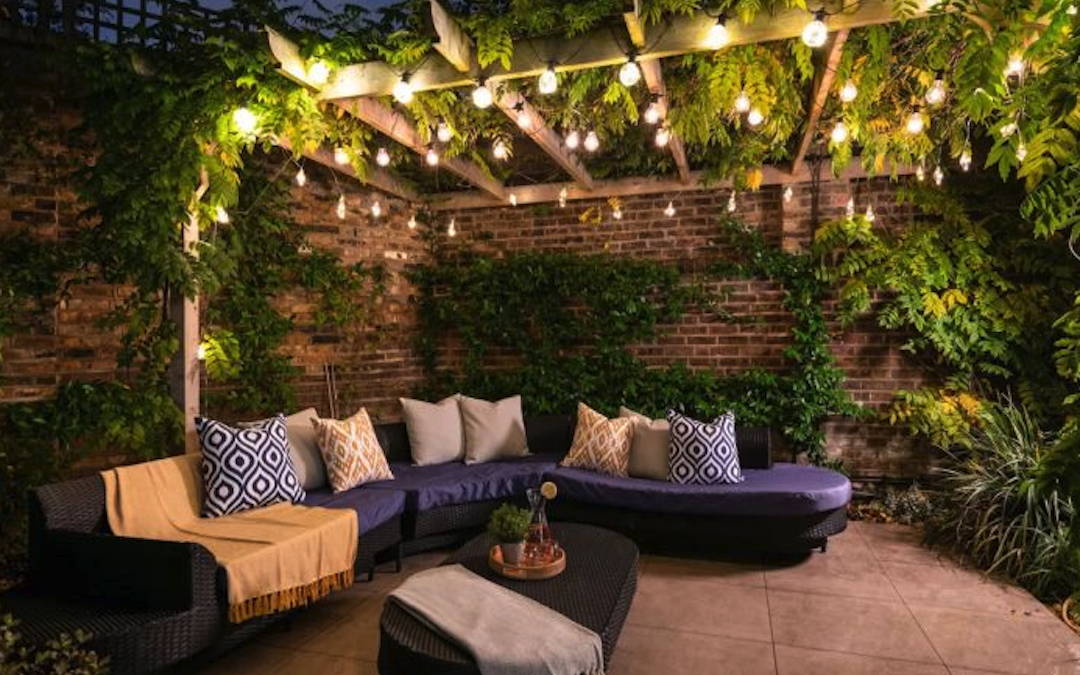
Pendant lights, ceiling-mounted fixtures, or string lights can provide general illumination for dining and conversation. String lights, in particular, can create a festive and intimate atmosphere, reminiscent of a canopy of stars.
Wall Sconces
Mounted on adjacent walls, these offer a softer, more ambient light. Their design can complement the architectural style of the home.
Integrated Deck Lighting
Low-profile lights built directly into deck railings, steps, or floorboards offer subtle illumination that defines the space and enhances safety without creating visual clutter.
Highlighting Garden Features
Gardens can be as beautiful by night as they are by day with the right lighting.
Uplighting Trees and Shrubs
This technique accentuates the form and texture of plants, turning them into luminous sculptures. The play of light on leaves and branches can be particularly captivating.
Illuminating Pathways and Flower Beds
Low-level path lights or strategically placed ground lights can guide visitors through the garden and highlight the colors and shapes of plantings. These are subtle whispers of light among the foliage.
Water Features
Lights submerged in ponds or directed at fountains can create mesmerizing reflections and add a dynamic element to the garden. The interplay of water and light can be an ever-changing work of art.
Architectural Highlighting
Drawing attention to the structure of the home itself.
Washing Walls with Light
Using upward-facing fixtures at the base of walls can create a soft, even glow that accentuates the texture and color of the building materials. This is like giving the house a gentle embrace of light.
Accentuating Architectural Details
Spotlights can be used to highlight features such as columns, cornices, or decorative elements, adding depth and visual interest.
Selecting Materials and Fixture Styles
The durability, functionality, and aesthetic appeal of exterior lamps are significantly influenced by their construction and design.
Durability and Weather Resistance
Exterior light fixtures are exposed to the elements and must be built to withstand various conditions.
Materials Commonly Used
- Aluminum: Lightweight, corrosion-resistant, and available in various finishes. It is a reliable choice for many environments.
- Stainless Steel: Offers excellent corrosion resistance and a modern aesthetic. It is particularly well-suited for coastal or humid regions.
- Bronze/Brass: Develops a patina over time, which some find appealing. These materials are generally durable but can be more expensive.
- Plastic/Composite: Lighter and often more affordable, these materials can be molded into various shapes and are engineered for outdoor durability.
IP Ratings (Ingress Protection)
An IP rating indicates the level of protection a fixture offers against dust and water.
Understanding IP Codes
The first digit typically refers to protection against solid objects (dust), and the second against liquids (water). For exterior use, a minimum IP rating of IP44 is generally recommended, with higher ratings (e.g., IP65, IP67) offering greater protection against water ingress.
Aesthetic Considerations and Design Styles
The visual appearance of light fixtures is as important as their illumination.
Traditional Styles
Lanterns, carriage lights, and gooseneck fixtures often feature classic designs that complement historical or rustic architecture. They evoke a sense of timelessness.
Modern and Contemporary Styles
Sleek lines, minimalist forms, and geometric shapes characterize these fixtures. They often utilize materials like stainless steel or brushed aluminum.
Landscape Styles
Low-voltage spotlights, path lights, and bollards are often designed to be discreet, blending into the garden environment. Their emphasis is on function emerging from the landscape.
Light Source Technologies
The type of bulb used impacts energy efficiency, lifespan, and light quality.
LED (Light Emitting Diode)
The dominant technology for contemporary exterior lighting.
Advantages of LED
- Energy Efficiency: LEDs consume significantly less power than incandescent or halogen bulbs, leading to lower electricity bills.
- Long Lifespan: They have a much longer operational life, reducing the frequency of bulb replacement.
- Durability: More resistant to vibration and breakage.
- Versatility: Available in a wide range of color temperatures and brightness levels.
Halogen
A type of incandescent bulb that offers good color rendering but is less energy-efficient and has a shorter lifespan than LEDs.
Compact Fluorescent Lamps (CFLs)
While energy-efficient, CFLs can have issues with cold temperatures affecting their performance and may contain mercury, posing disposal challenges. Their suitability for frequent on-off cycles, common in some exterior applications, is also a consideration.
Installation and Maintenance Best Practices
Proper installation and regular upkeep are crucial for the longevity and optimal performance of exterior lighting systems.
Planning Your Lighting Layout
A well-conceived plan ensures that light is precisely where it is needed.
Assessing Your Needs
Consider the primary functions of each outdoor area: security, navigation, relaxation, or entertainment. This forms the blueprint for your lighting strategy.
Mapping Light Distribution
Determine the type and placement of fixtures to achieve desired light levels and avoid glare. Sketching a map of your property can help visualize the placement of each lamp.
Professional Installation vs. DIY
While some simple installations can be undertaken by homeowners, complex systems often benefit from professional expertise.
Electrical Safety
Working with outdoor electrical systems carries inherent risks. Professional electricians ensure that installations comply with local building codes and safety standards.
Zoning and Control Systems
Professionals can effectively install control systems, such as timers and photocells, to automate lighting and ensure optimal energy usage. They can also design zoning for different areas, allowing for independent control.
Maintenance and Longevity
Regular care extends the life of fixtures and ensures their continued effectiveness.
Cleaning Fixtures
Dirt, debris, and insect nests can accumulate on lenses and housings, reducing light output. Regular cleaning with mild soap and water is recommended.
Checking Connections and Wiring
Periodically inspect for signs of corrosion or damage to wiring and connections, especially in damp environments.
Bulb Replacement
While LEDs have long lifespans, occasional replacement may be necessary. Ensure replacement bulbs are compatible with existing fixtures.
Powering Your Exterior Lights
The choice of power source influences installation complexity and operational costs.
Line Voltage (120V/240V)
Standard household voltage, often used for porch lights, floodlights, and hardwired systems. Requires professional installation and trenching for underground cables.
Low Voltage (12V)
A safer and more easily installed option, typically used for landscape lighting. It requires a transformer to reduce household voltage and is often powered by a transformer connected to a standard outdoor outlet. This is akin to using a smaller, more manageable power source for delicate tasks.
Solar-Powered Lights
Convenient and energy-independent, these fixtures contain solar panels that charge batteries during the day, powering the lights at night.
Considerations for Solar Lighting
Their performance is dependent on sunlight exposure and battery capacity. They are best suited for areas with ample direct sunlight and where intense illumination is not a primary requirement. Their illumination can be more ephemeral, akin to moonlight.