The Many Shapes and Sizes of Light Bulbs: An Exploration of Form and Functionality

Introduction
Light bulbs are one of the most iconic and recognizable objects around the world. They have been used to light up rooms, streets, and cities for over a century. However, while most people are familiar with the basic shape of a light bulb, there are actually a wide variety of shapes and sizes available, each with their own unique benefits and drawbacks. In this article, we will explore the different shapes of light bulbs and how they affect the functionality of the bulb.
Traditional Bulbs
The traditional light bulb shape is the A-series bulb, also known as the Edison bulb, named after the inventor of the light bulb, Thomas Edison. This bulb has a pear-shaped design with a narrow base and wider top. The A-series bulb is commonly used in household lamps and fixtures, but it is gradually being phased out due to its inefficiency.
Another traditional light bulb shape is the globe bulb, which has a round or spherical shape. This bulb is commonly used in bathroom fixtures and pendant lights. The advantage of a globe bulb is that it provides a more diffuse light, which is ideal for areas where a soft light is desired.
Specialty Bulbs
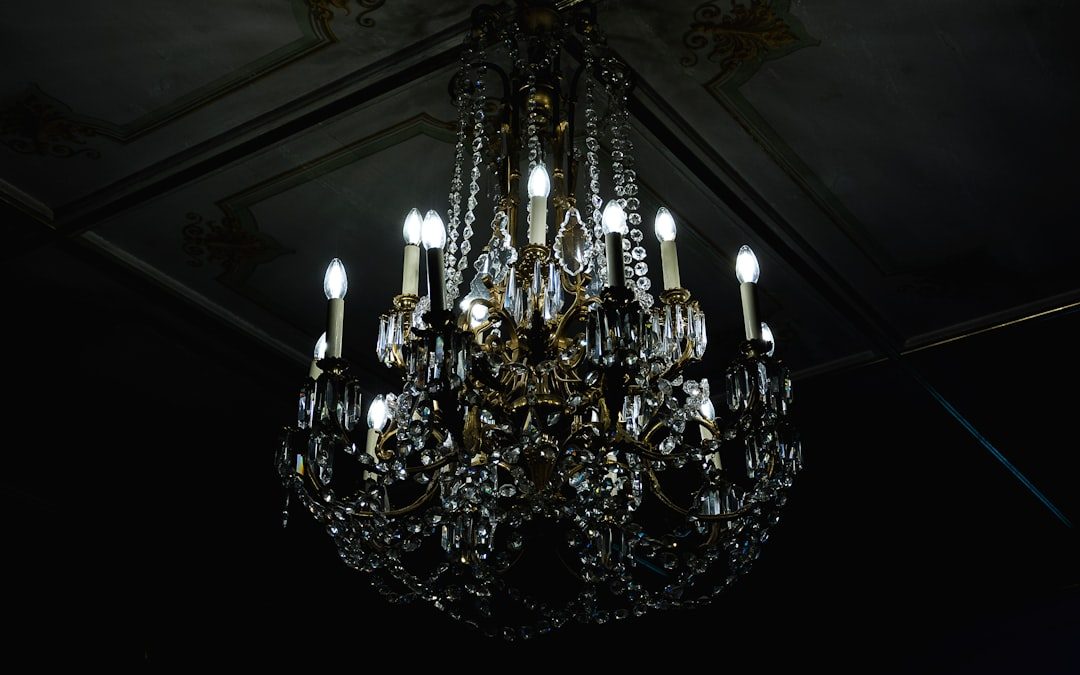
There are many specialty light bulbs that are used for specific applications. One example is the candelabra bulb, which has a flame-tip shape and is commonly used in chandeliers and other decorative light fixtures. Another specialty bulb is the nightlight bulb, which is a small bulb designed to emit a soft, low-level light for use in hallways and bedrooms.
Floodlights
Floodlights are used to provide a wide beam of light for outdoor applications. There are two main types of floodlights: PAR and BR bulbs. PAR bulbs have a parabolic aluminized reflector that helps to direct the light in a focused beam. BR bulbs have a reflective coating that helps to distribute the light in a wider beam.
LED Bulbs
LED bulbs are becoming increasingly popular due to their energy efficiency and long lifespan. LED bulbs come in a variety of shapes and sizes, including A-series bulbs, candle bulbs, globe bulbs, and floodlights. However, LED bulbs are different from traditional bulbs in that they require a heat sink to dissipate the heat generated by the LED chips. This means that LED bulbs may have unique shapes and designs that are not found in traditional bulbs.
Conclusion
In conclusion, the shape of a light bulb can greatly affect its functionality and the light it provides. While the traditional A-series and globe bulbs are still commonly used, there are many specialty bulbs for specific applications, as well as LED bulbs that offer energy efficiency and unique designs. By understanding the different shapes and sizes of light bulbs, you can choose the right bulb for your specific needs.